0%

By 2026, choosing Scented Candles means weighing more than a pretty jar or a persuasive label. Fragrance character, burn quality, ingredient transparency, and room size all matter. A fresh citrus candle may brighten a kitchen, while cedar or amber can make a living room feel quieter. The details show up in use: a wick that smokes, a scent that disappears, or wax that tunnels down the center.

Market forecasts offer context, not a shopping verdict. Fortune Business Insights estimated the global scented-candles market at about $3.14 billion in 2023 and projected growth to roughly $5.26 billion by 2032. Those figures suggest sustained interest, but they cannot tell us which candle smells balanced or burns evenly. For practical safety, the National Candle Association advises: “Never leave a burning candle unattended.” That guidance deserves space beside any discussion of fragrance.

This guide compares leading options for 2026 through scent profile, burn performance, value, and available product information. It also considers whether brands clearly describe their wax and fragrance materials. Small differences matter. A strong throw can be welcome in a large room, yet overwhelming beside a reading chair. And even careful comparisons have limits: personal taste changes with space, season, and sensitivity. The best candle is not automatically the most expensive—or the loudest in the store.
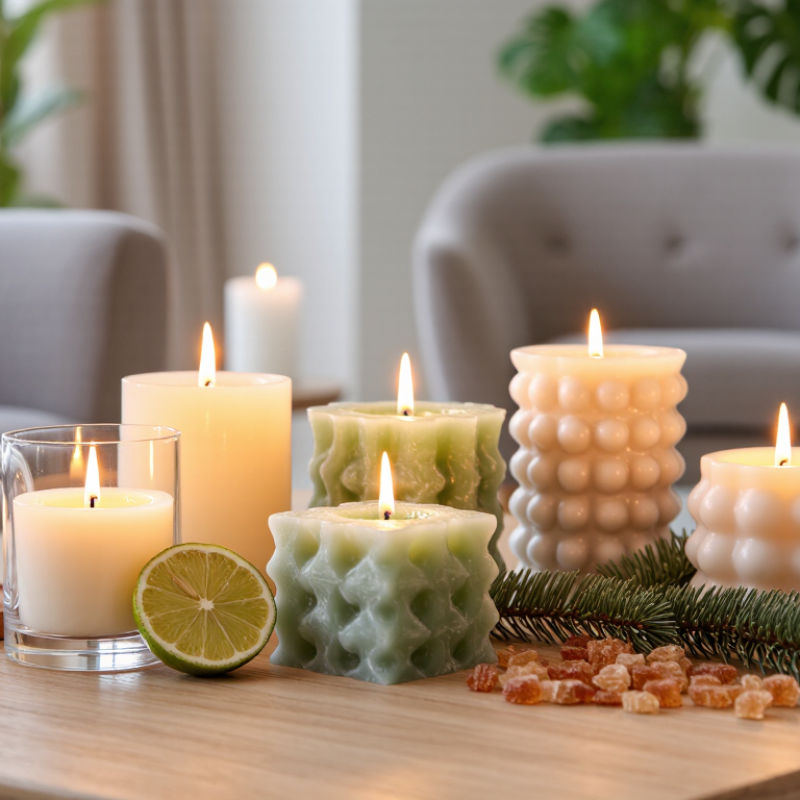
What Are the Top Scented Candles for 2026?

2026 Scented Candle Picks: NCA Reports Use in 7 of 10 U.S. Households

What makes a scented candle a top pick in 2026? The subtitle points to an NCA report that scented candles are used in seven of ten U.S. households. That figure suggests they are part of everyday home life, not just occasional gifts. Still, popularity does not tell you which scent will suit your room. A small bedroom may feel crowded by a heavy, sweet fragrance, while a bright kitchen can handle something lighter. Think about where you’ll burn it and how long you’ll spend nearby. Scent is personal.

Tips: Start with a smaller candle or a milder scent. Trim the wick to about a quarter inch before lighting, and place the candle on a stable, heat-resistant surface. Never leave it burning unattended. Simple steps matter.

For a calm evening, consider soft notes such as lavender or cedar. Fresh citrus can feel lively in an entryway, though it may fade into the background in a large room. Check the candle’s burn instructions and use it in a well-ventilated space. A candle that smells pleasant in the shop may feel different at home; I have found that room size and airflow can change the impression. That’s worth remembering. A thoughtful pick balances fragrance, setting, and safe use—not just a popular label.

What Are the Top Scented Candles for 2026?

2026 Scented Candle Picks: NCA Reports Use in 7 of 10 U.S. Households

The National Candle Association reports that 7 in 10 U.S. households use candles. The remaining 30% is calculated as the complement of that figure. This chart shows household use, not a ranking of scented candle products.

Fragrance Families and IFRA Standards: A Guide to Choosing Candle Scents

A useful way to compare scented candles is by fragrance family, not by popularity alone. Citrus notes can feel bright and crisp, while woods and resins often create a drier, quieter atmosphere. Floral blends may smell airy in a cool room but become heavier as the wax warms. Smell the candle cold, then consider how its scent might change during a full burn. The first impression is not the whole story.

IFRA standards help guide the safe use of fragrance materials. They set restrictions for ingredients and intended product uses, so a fragrance suitable for one application may not be suitable at the same level in a candle. Ask the maker or supplier for current IFRA conformity information and the recommended maximum fragrance load for the intended use. These documents are useful, but they do not replace careful formulation, testing, or applicable product-safety requirements.

Performance depends on more than the fragrance itself. Wax type, wick size, room airflow, and burn time can all affect how a scent fills a space. A candle may smell lovely in the jar yet seem faint after lighting; that mismatch is worth noticing. I still find scent descriptions imperfect guides. A small test burn in a ventilated room can reveal whether a fragrance feels balanced, sharp, or simply too strong.

What Are the Top Scented Candles for 2026? - Fragrance Families and IFRA Standards: A Guide to Choosing Candle Scents

Fragrance Family Typical Scent Notes Scent Character and Room Fit Choosing a Candle IFRA and Safety Check
Citrus Lemon, bergamot, orange, grapefruit Bright, crisp, and uplifting; often chosen for kitchens, bathrooms, and daytime spaces. Look for a balanced blend if you prefer a softer effect; citrus notes can smell sharper when prominent. Check the supplier’s current IFRA conformity information for the intended use. The applicable limits depend on the fragrance materials and product category.
Floral Rose, jasmine, lavender, geranium Ranges from light and fresh to rich and powdery; often suits bedrooms and living areas. Read the note description carefully: “floral” can describe very different scent strengths and styles. Some fragrance ingredients have specific IFRA requirements. Confirm the documentation covers use in candles, rather than relying on skin-use guidance.
Woody Cedarwood, sandalwood, vetiver, patchouli Warm, dry, earthy, or smooth; commonly chosen for studies and evening spaces. Woody notes often pair well with citrus, herbs, or amber when you want a less dense overall scent. Natural origin does not automatically mean unrestricted use. Check the applicable documentation for each fragrance blend.
Fresh and Green Cut grass, green leaves, herbs, watery notes Clean, airy, or garden-like; often suits entryways and shared spaces. Choose descriptions such as “green” or “herbal” for a leafy profile, and “aquatic” or “ozonic” for a breezier one. Ask for Category 12 guidance for candle use and follow the supplier’s stated maximum use level for the fragrance.
Gourmand Vanilla, cocoa, caramel, coffee, baked-goods accords Sweet, edible-inspired, and often cozy; popular for colder seasons and relaxed spaces. If you prefer a less sweet scent, look for gourmand blends combined with woods, spice, or citrus. Use only at the supplier-recommended fragrance load. IFRA conformity does not establish a candle’s burn quality or guarantee a particular scent performance.
Amber and Spiced Resins, warm woods, cinnamon-like or clove-like notes Rich, warm, and enveloping; often chosen for evening use and larger rooms. Check whether the description suggests a soft resinous amber or a sharper, more pronounced spice profile. Some spice-related fragrance materials may be subject to specific standards. Confirm current Category 12 documentation for the exact blend.
Aromatic and Herbal Rosemary, sage, thyme, mint, lavender Herbaceous and refreshing, with profiles that can range from cooling to earthy; suitable for kitchens and workspaces. Compare the listed notes: mint-forward blends tend to smell cooler, while sage and rosemary can read as drier and greener. Do not assume that essential-oil-based fragrance is exempt from relevant requirements. Check supplier documentation and local rules.

How to use the IFRA information: IFRA Standards address fragrance ingredients and their conditions of use. Candles are generally assessed under IFRA Category 12; request current conformity documentation for the exact fragrance and intended candle use. Follow the supplier’s recommended fragrance load and candle-making safety instructions. IFRA conformity is not a certification of the finished candle’s burn performance, and labeling requirements can vary by location.

Wax, Wicks, and Burn Performance: Comparing Candle Materials

What Are the Top Scented Candles for 2026?
Wax, Wicks, and Burn Performance: Comparing Candle Materials

A candle’s wax affects how it melts, carries fragrance, and feels in a room. Soy wax often burns with a softer look, though its performance varies by blend and wick. Paraffin can release fragrance clearly, but a strong scent is not automatically a better one. Beeswax has a subtle natural aroma that may compete with added fragrance. Blended waxes can balance these traits, but the label alone cannot predict an even burn. Check whether the candle forms a steady melt pool without smoking or leaving thick residue.

Tips: Trim the wick to about 6 millimeters before lighting. Keep the candle away from drafts. A wooden wick’s gentle crackle is appealing, but it does not guarantee a cleaner or longer burn. Watch the flame during the first hour.

Wick size matters as much as wick material. An undersized wick may leave a ring of unmelted wax; an oversized one can create a tall, smoky flame. Container width, fragrance load, and room airflow also affect results. For a fair comparison, burn candles on a level surface and note scent strength after the wax has warmed. These observations are useful, though they are not laboratory tests. Even a carefully chosen candle can behave differently in another room.

Best Scented Candles by Room, Season, and Intended Use

A scented candle should suit the room, not just look appealing on a shelf. In a small bathroom, try light citrus or herbal notes that feel fresh without filling every corner. Bedrooms often work well with soft florals or gentle woods, while a larger living room can carry deeper amber or spice. Start with a subtle scent. Strong fragrance can feel tiring in a compact space.

Season and purpose matter, too. In spring and summer, airy green or citrus notes can keep a room feeling bright. Cooler months invite warmer scents, such as cedar, vanilla, or spice. For a quiet evening, choose a softer fragrance; for a dinner gathering, avoid anything that competes with food. Burn time, room size, and airflow all affect how a candle smells. There is no perfect formula, and personal preference can change with the day.

Tips: Trim the wick to about ¼ inch before lighting, and keep the candle on a stable, heat-safe surface away from drafts. Let the wax pool reach near the edges on the first burn to reduce tunneling. If the scent feels too strong, extinguish it and try a smaller room—or a milder candle next time.

Candle Safety in 2026: Key Requirements in ASTM F2417-23

In 2026, a candle’s fragrance may catch your attention, but fire safety deserves equal scrutiny.

ASTM F2417-23 is a safety standard for candles. It addresses hazards such as instability, excessive flame height, secondary ignition, and unsafe behavior near the end of a candle’s useful life. These checks matter around ordinary objects: a curtain moving in a draft, a crowded shelf, or a candle placed too close to paper. Small details matter.

Look for clear safety instructions and a stable candle design, but don’t treat a standards reference as proof of independent testing. The standard sets performance criteria; a product description alone cannot tell you how a specific candle was assessed.

At home, place candles on a level, heat-resistant surface, keep them away from drafts and combustible items, and never leave a lit candle unattended. Trim the wick to about 6 millimeters before lighting, and stop using the candle if its container cracks or the flame behaves unusually.

Even careful buyers can overlook a crowded tabletop. That deserves a second look.

FAQS

How common are scented candles in U.S. homes?

The article cites a report estimating that seven in ten U.S. households use scented candles. Popularity does not guarantee a scent will suit your room.

Which scents work well for a calm evening?

Soft lavender or cedar notes may feel calming. Scent is personal.

How can I choose a candle for a small room?

Try a smaller candle or milder fragrance. Heavy, sweet scents can feel crowded in a small bedroom.

Why can a candle smell different after lighting?

Warm wax, room size, and airflow can change how fragrance feels. The cold-jar scent is only a first impression.

What should I check when comparing wax types?

Soy, paraffin, beeswax, and blended waxes can perform differently. Check for a steady melt pool, smoke, or thick residue.

How should I prepare a candle before lighting it?

Trim the wick to about 6 millimeters. Place the candle on a stable, heat-resistant surface away from drafts.

Is a wooden wick always cleaner or longer-burning?

No. Its gentle crackle may be appealing, but it does not guarantee a cleaner or longer burn.

What do IFRA standards tell candle makers?

They guide the safe use of fragrance materials and intended applications. Ask for current conformity information and recommended fragrance levels.

How can I test a candle’s scent at home?

Burn it briefly in a ventilated room and notice how the fragrance develops. Descriptions can be imperfect guides.

What basic safety step matters most?

Never leave a burning candle unattended. Keep it in a well-ventilated space.

Conclusion

Scented Candles remain a popular way to shape the atmosphere of a home, with reported use in seven out of ten U.S. households. This guide explores how to choose a candle by considering fragrance families, from fresh and floral to warm and woody, and how IFRA standards can help inform fragrance selection. It also compares common waxes and wick types, explaining how these materials may affect scent release, burn time, and overall performance.

The right candle can vary by room, season, and intended use: a light, gentle scent may suit a shared space, while a richer fragrance can create a cozy feel in colder months. Whatever the choice, safe use matters. The guide highlights key points associated with ASTM F2417-23, including placing candles on stable, heat-resistant surfaces, keeping them away from drafts and flammable materials, and never leaving a burning candle unattended.

Ethan

Ethan

Ethan is a professional marketing specialist with a deep understanding of the company’s products, their features, and the practical needs they are designed to address. He combines product knowledge with a clear, customer-focused approach, helping readers understand how the company’s solutions can......