Featured CE Certified Candle & Home Fragrance Systems
Engineered for Clean Burning, Optimal Thermal Pool Formation, and Premium Scent Throw





Executive Whitepaper: Technical Architecture of CE Certified Cotton Wicks in Commercial Candle Manufacturing
In the evolving landscape of international home fragrance distribution, achieving a harmonized equilibrium between safety compliance, sensory delivery, and thermal efficiency is the benchmark of tier-one manufacturing. A candle is fundamentally an intricate capillary combustion engine. At the heart of this system lies the cotton wick—a micro-engineered textile matrix responsible for drawing liquefied wax upward into the reaction zone through capillary action, where it vaporizes and reacts with ambient oxygen to sustain a controlled flame.
For global brand owners, importers, and procurement directors entering the European Union and North American retail markets, sourcing wicks verified with CE Certification and compliance with EN standards (EN 15493 for fire safety, EN 15426 for soot behavior, and EN 15494 for product safety labels) is not merely a legal pre-requisite—it is a critical hedge against product liability, toxicological non-compliance, and brand erosion.
1. The Chemistry & Metallurgy of Clean Combustion Wicks
Historical candle manufacturing often relied on lead, zinc, or wire-core wicks to maintain structural rigidity within deep melt pools. However, legal restrictions across the EU (under REACH annex XVII) and strict FDA and CPSC regulations in North America have permanently outlawed heavy metal cores due to neurotoxic lead emission risks during incomplete combustion. Modern high-performance wicks utilize 100% long-staple, unbleached organic cotton intertwined with structural paper filaments or advanced flat-braided designs.
At Shanghai Qusden Household Products Co., Ltd., our cotton wicks undergo a specialized chemical chemical tensioning process (chemical bleaching-free decating and mineral salt immersion) to achieve three crucial performance parameters:
- Controlled Capillary Transport Rate: Preventing excessive fuel delivery to the flame, which directly eliminates mushrooming (carbon buildup at the tip) and secondary ignition hazards.
- Self-Trimming Flame Kinetics: The unique asymmetrical braiding tension forces the burning tip of the cotton wick to curl gently into the hottest outer perimeter of the flame (the oxidation zone), naturally consuming carbon residue and maintaining an optimal 15–20mm wick profile.
- Zero Lead & Heavy Metal Volatilization: Verified via ICP-MS testing, ensuring ambient room air remains strictly compliant with WHO indoor air quality guidelines during prolonged 4-hour burn cycles.
Global B2B Procurement Trends (2025–2030)
Strategic Shifts Shaping the Scented Candle and Home Fragrance Supply Chain
1. Transition to Bio-Based Wax Syntheses
Global procurement metrics demonstrate a decisive migration away from paraffin waxes toward fully renewable bio-waxes (100% pure soy, coconut wax, and organic beeswax formulations). Cotton wicks must be custom-braided with increased weave density and modified chemical treatments to handle the higher viscosity and higher melting points characteristic of hydrogenated plant lipids.
2. Zero-Toxin & Allergen Transparency
Consumers are demanding granular ingredient transparency. Importers are requiring factories to supply detailed Safety Data Sheets (SDS), IFRA (International Fragrance Association) 51st Amendment certificates, and CLP regulatory compliant label layouts. CE-certified cotton wicks assure buyers that the combustion process itself will not introduce banned phthalates or volatile organic compounds (VOCs).
3. Sustainable Vessel Metallurgy & Circular Packaging
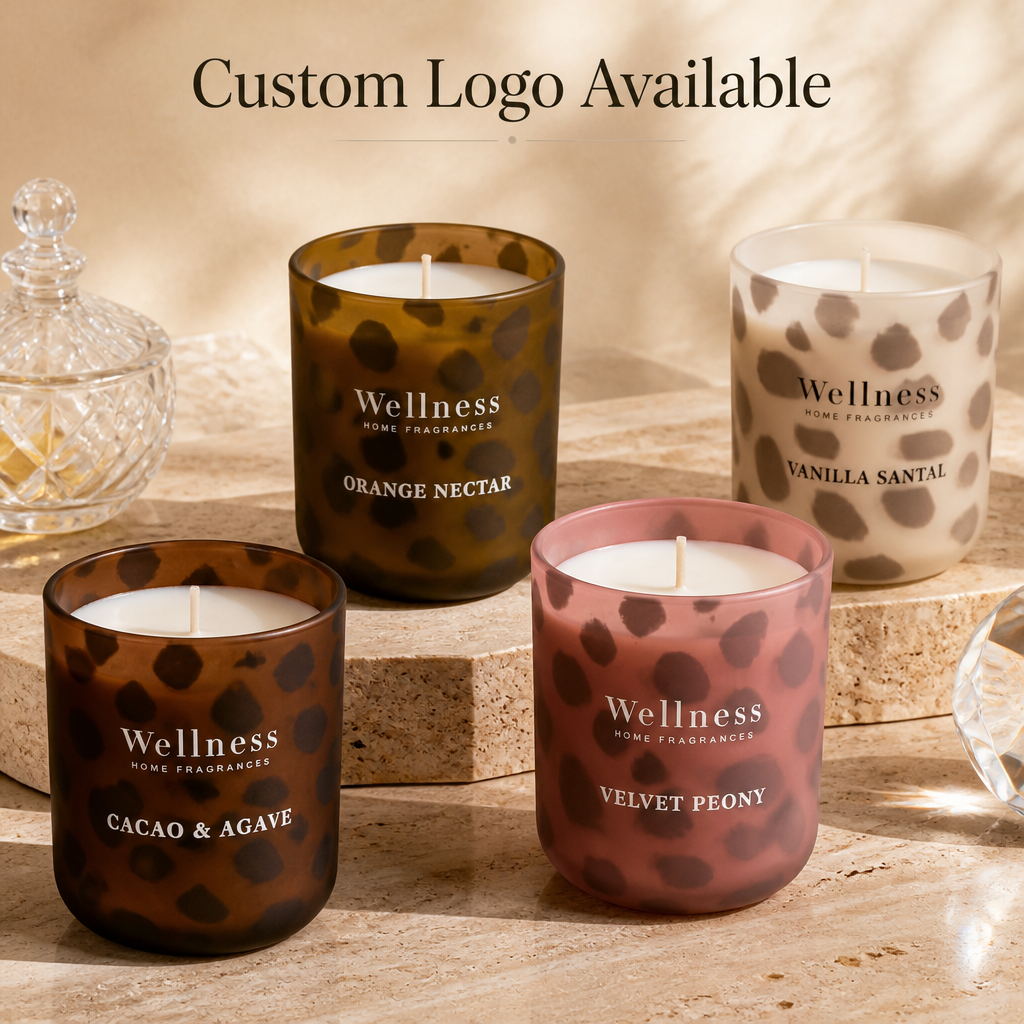
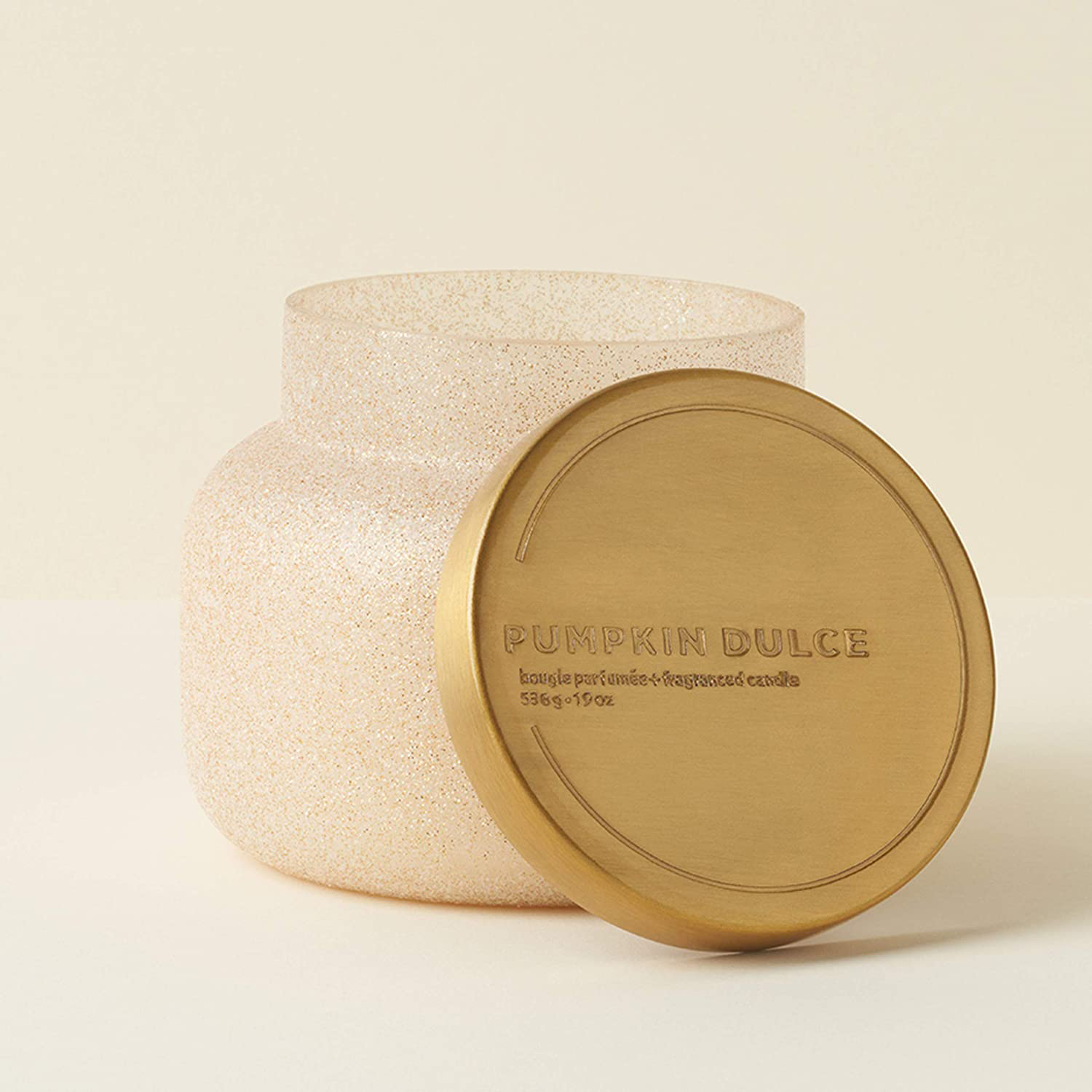
Future-proof brand cataloging demands circularity. Vessels constructed from recycled tortoiseshell glass, artisan ceramics, and refillable frosted containers require precisely sized cotton wicks that guarantee complete edge-to-edge wax pool consumption without overheating vessel walls—preventing thermal shock cracking.
Engineering Breakthroughs in Cotton Wick Development
The technical evolution of cotton wick technology focuses on optimizing thermal fluid dynamics. As home fragrance formulations incorporate higher concentrations of complex essential oils (often up to 10–12% fragrance loads for luxury retail segments), traditional simple-braid wicks suffer from clogged capillaries, resulting in weak flame intensity or premature flame extinction.
Multi-Stage Directional Braiding
To overcome heavy essential oil viscosity, modern manufacturing employs directional multi-ply flat wicks. By braiding tight inner core threads with looser exterior capillary threads, fuel is drawn through interior channels while outer threads regulate air-mixing at the flame base. This structural design guarantees a soot index lower than 0.1%/hr—significantly exceeding standard EN 15426 requirements.
Vessel Thermal Balance & Diameter Matching
Overheating glass jars poses a significant consumer safety risk. Through rigorous thermal imaging testing, our engineering team correlates vessel diameter directly with cotton wick yield. Vessels exceeding 80mm in diameter are engineered with dual or triple flat-braid cotton wick configurations rather than a single oversized wick. This disperses thermal energy evenly, creating a consistent melt pool within 2 hours while keeping glass wall temperatures below 60°C.
Why Partner with Shanghai Qusden Household Products Co., Ltd.?
Fully Audited Manufacturing Rigor, End-to-End Quality Control, and In-House Customization
Integrated Manufacturing Facilities
Operating a modernized 5,000+ m² production base in Shanghai, Qusden eliminates intermediary markup and supply chain friction. Our facility houses complete vertical operations: automated vessel spraying lines, precision screen printing, gold hot-stamping, automatic multi-head wax filling, and automated rigid box folding lines. With a dedicated team of 101–200 skilled specialists, we maintain an annual trade capacity of US$5M – US$10M.
- Certifications: Fully audited for BSCI and ISO 9001 compliance.
- Verified Supplier: On-site assessed and certified by SGS Group.
- OEM/ODM Flexibility: Custom fragrance matching, bespoke glass tooling, and full buyer-label development.
Stringent Reliability Testing Laboratory
Every mass production batch undergoes continuous online inspection paired with rigorous environmental simulated testing prior to export dispatch. Our internal QC laboratory is equipped with advanced testing apparatus to guarantee shelf-life and transit resilience:
- Constant Temperature & Humidity Incubators: Simulating extreme tropical and arctic freight conditions to prevent wax sweating or frost blooming.
- Transportation Vibration Testers: Validating structural integrity of glass containers and wick assemblies against sea/air transit stress.
- Vacuum Drying Ovens: Testing fragrance stability and oil migration under low-pressure transport conditions.
Frequently Asked Questions (FAQ) for B2B Procurement
Essential Regulatory, Operational, and Technical Guidelines for Importers
Accelerate Your Private Label Home Fragrance Launch
Partner with a certified China factory master manufacturer. Contact our Shanghai export engineering team today for technical consultations, factory-direct wholesale pricing, and pre-production sample kits.
Contact Us