Featured CE-Certified Botanical & Aromatherapy Collections
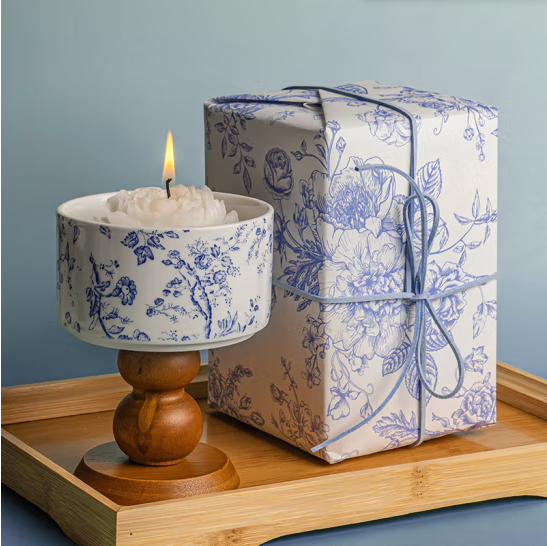
Wholesale Luxury Blue White Porcelain Ceramic Jar Scented Flower Modeling Soy Wax Candles Private Label Home Decor Gift
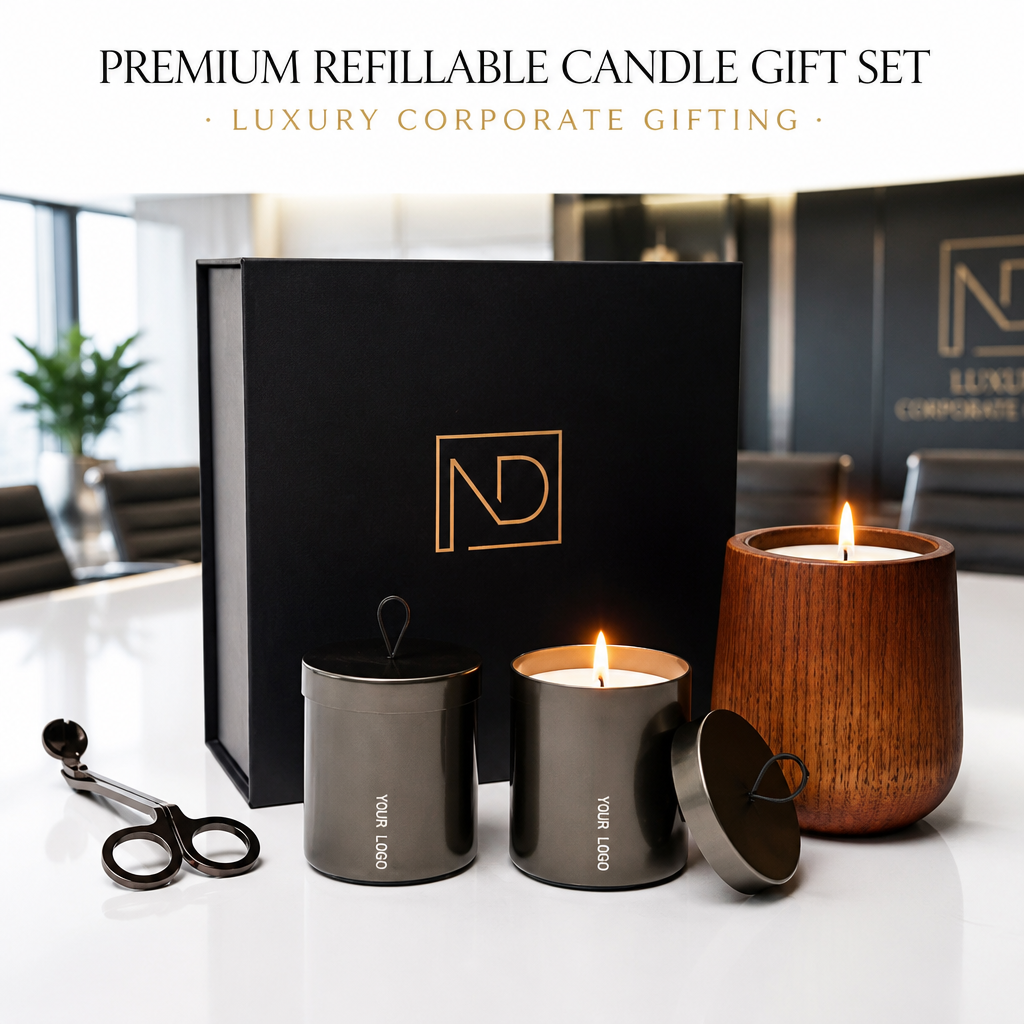
Wellness Luxury Organic Soy Aromatherapy Candles Custom Laser Logo Black Rigid Presentation Gift Box Hotel Spa Suite Bulk Orders
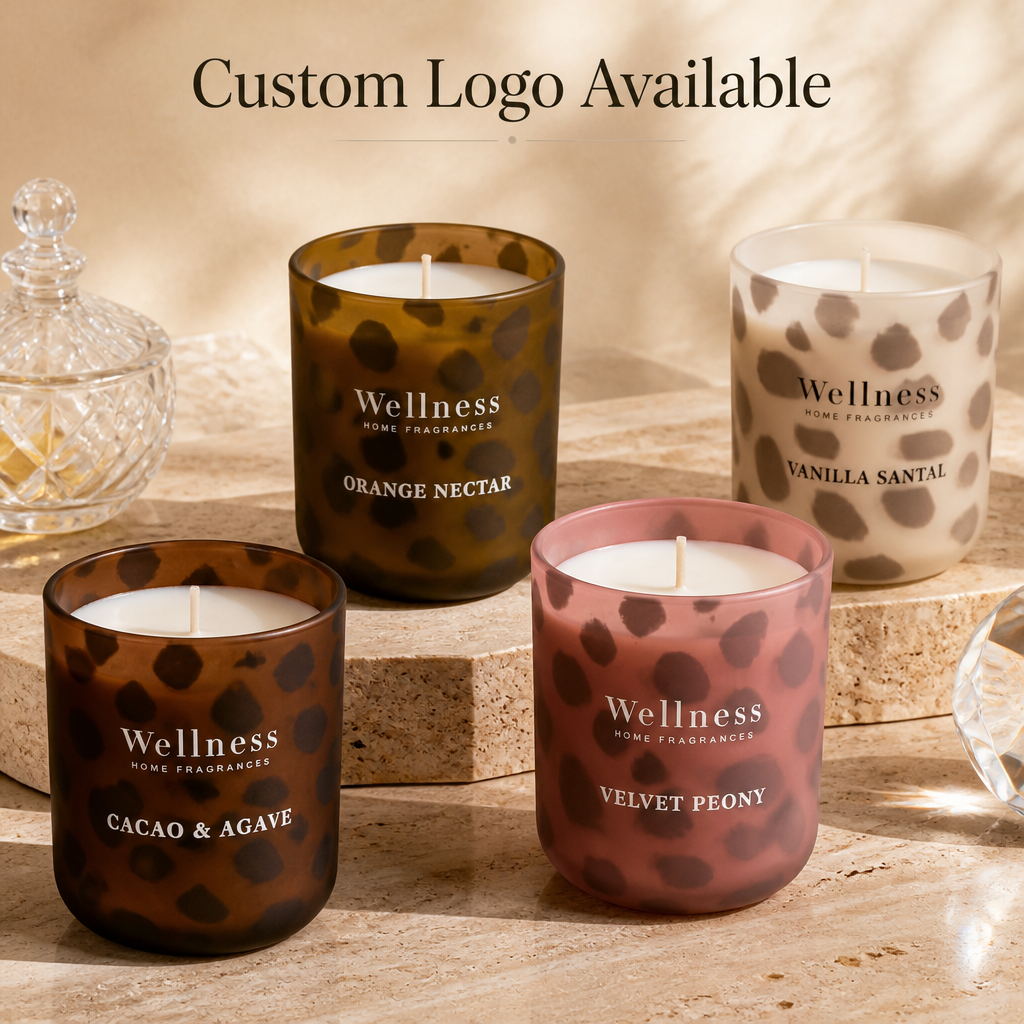
Wellness Scented Candle 220g Tortoiseshell Spotted Glass Jar Organic Soy Wax Lead Free Cotton Wick Executive VIP Gifting Factory

High Quality Cylindrical Aromatherapy Air Cleaner Smokeless Candle Romantic Flower Pillar Scented Candles Set
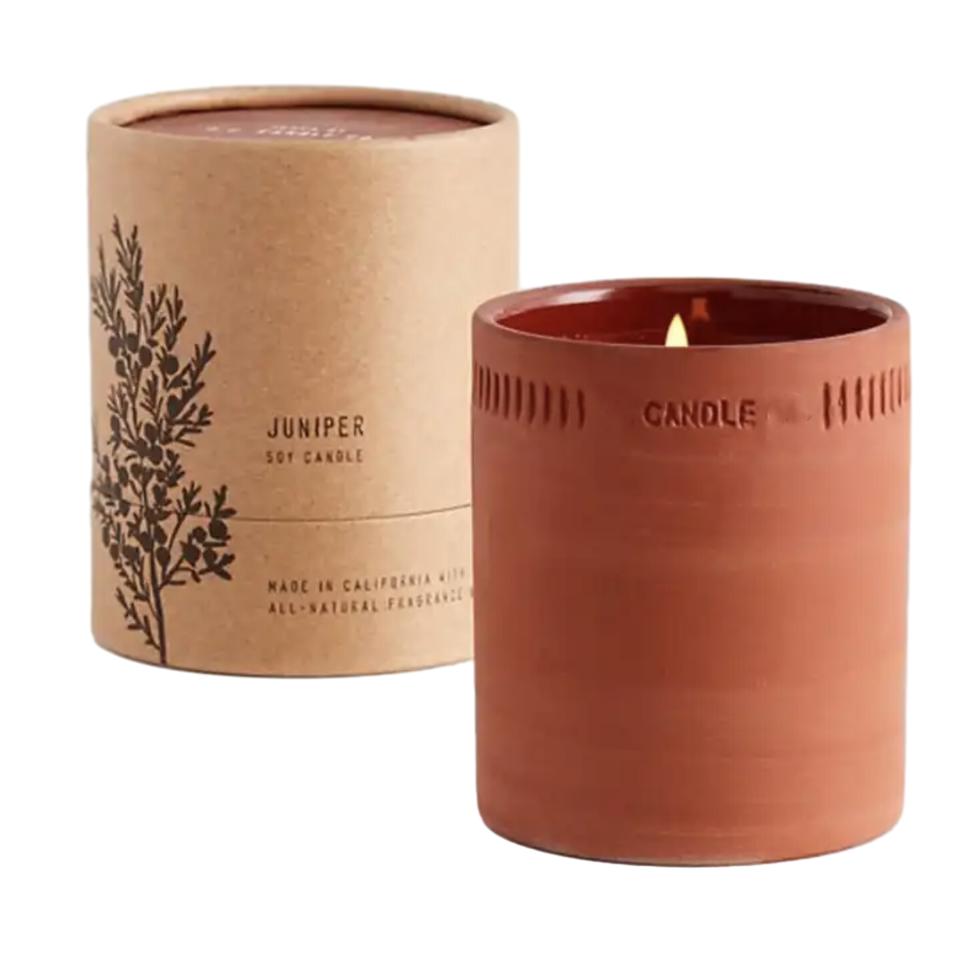
Supplies Business Wholesale Custom Private Label Luxury Pillar Natural Pure Plant Oil Soy Wax Scented Candle with Gift Box
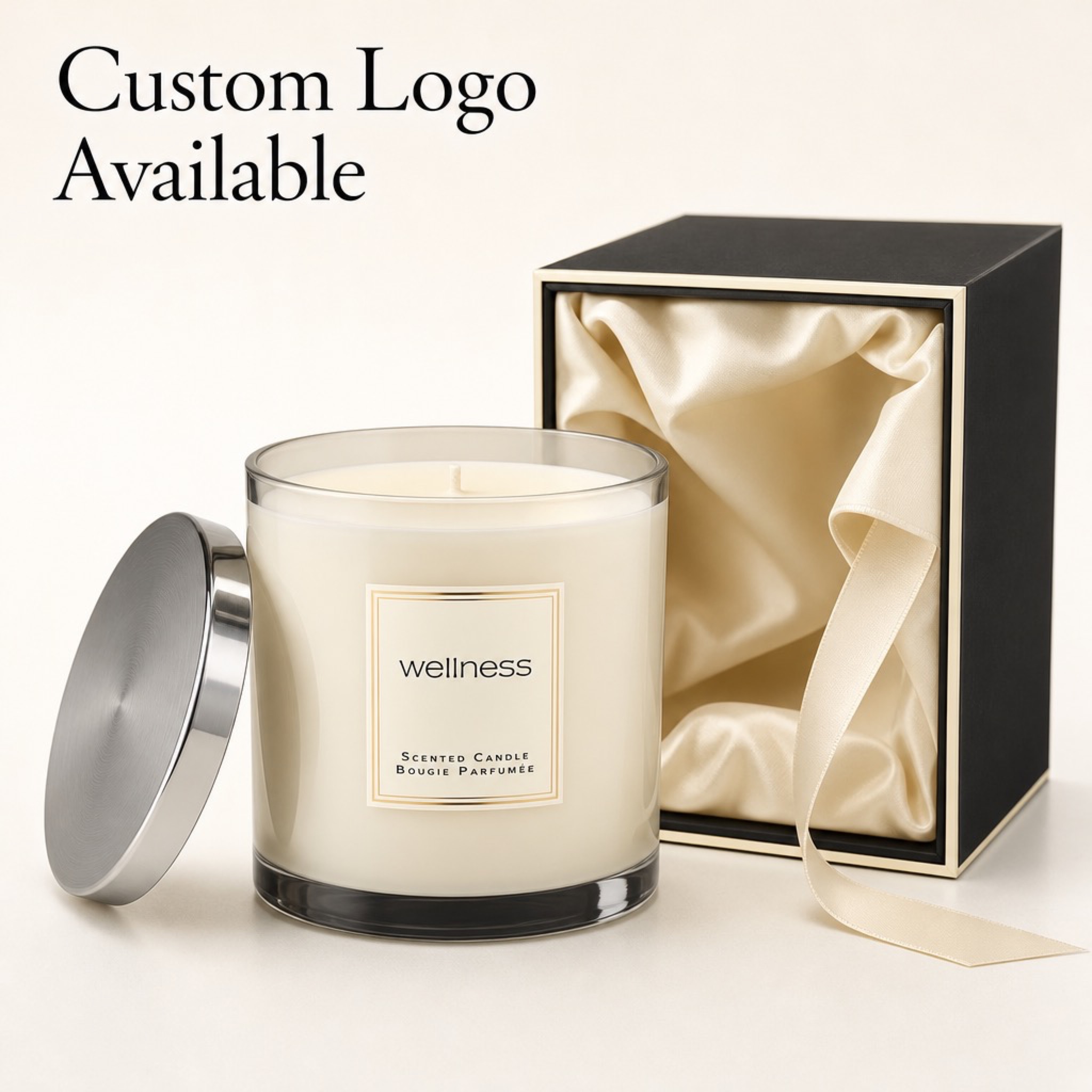
Wholesale Custom Luxury Scented Soy Wax Candles Customized Home Fragrance Decoration & Glass Candles Metal Lid Gift in Box

WELLNESS Best Candle Manufacturer Custom Design Flower Fruits Shape Romance Cute Glass Jar Essential Oils Scented Candle Gift

Factory Custom Private Label Home Fragrance Decoration Perfume Aroma Essential Oil Hotel Room Diffuser Luxury Scented Gift Set
Executive Industry White Paper: Technical Standards & Procurement Frameworks for CE-Certified Botanical Candles
The global home fragrance landscape is undergoing a structural paradigm shift. European and North American commercial buyers, hospitality chains, and luxury brand distributors are rapidly phasing out fossil-fuel derived paraffin waxes in favor of CE-certified, 100% plant-based hydrogenated triglycerides. Procurement decisions are no longer guided solely by aesthetic packaging or surface scents; they are heavily governed by stringent regulatory frameworks, burn chemistry parameters, toxicological safety compliance, and verifiable supply chain integrity.
This white paper provides commercial buyers, brand managers, and wholesale sourcing directors with an authoritative analysis of technical compliance standards (EN 15493, EN 15494, EN 15426), oleochemical wax matrix stability, volatile organic compound (VOC) suppression, and private-label OEM/ODM scalable execution.
Navigating CE Marking Standards & European Safety Verification
While the European CE mark traditionally applies to electronics and personal protective equipment under harmonized directives, commercial candle procurement within the European Single Market requires adherence to strict product safety standards enforced under the European General Product Safety Regulation (GPSR) and related European Committee for Standardization (CEN) mandates. When a plant-based candle wholesaler quotes CE-level safety compliance, it signifies complete verification against three critical industrial benchmarks:
EN 15493: Fire Safety Verification
Specifies requirements for flame height stability, self-extinguishing parameters at the end of burn-time, container thermal resistance, and prevention of secondary ignition caused by wick drowning or debris pooling.
EN 15494: Product Safety Labeling
Standardizes compulsory consumer hazard warnings, standardized visual pictograms, burn distance protocols, and operational safety instructions mandatory for customs clearance across EU member states.
EN 15426: Soot Release Behavior
Establishes quantitative thresholds for soot emissions. Certified plant-based candles must exhibit a soot index of less than 1.0 per hour, preventing indoor particulate pollution and container discoloration.
Furthermore, full market compliance necessitates strict adherence to REACH Regulations (EC No 1907/2006) concerning Substance of Very High Concern (SVHC) screening, alongside CLP Regulation (EC No 1272/2008) governing fragrance allergen labeling and environmental hazard classification. Sourcing non-compliant paraffin blends exposes enterprise importers to severe legal liabilities, immediate inventory recalls, and brand reputation damage.
Future Sourcing Trends in Plant-Based Candle Procurement (2025–2030)
The global commercial candle market, projected to reach over USD 13.5 Billion by 2030, is experiencing structural changes driven by consumer eco-literacy and corporate ESG (Environmental, Social, and Governance) compliance. B2B buyers must align their procurement pipelines with several major evolving market dynamics:
1. Advanced Oleochemical Wax Blending Beyond Pure Soy
While pure hydrogenated soybean oil (soy wax) remains the baseline for botanical candles, pure soy formulations suffer from physical limitations including frost formation, thermal polymorphism, and poor cold scent throw. The next decade belongs to high-performance co-crystallized botanical matrices. Advanced manufacturers are combining pure soy wax with hydrogenated coconut oil, rapeseed wax, and ethically sourced carnauba elements to achieve higher melting points (52°C–58°C), smooth surface reset after burning, and superior structural elasticity without requiring synthetic additives.
2. VOC-Free and Clean-Burn Fragrance Oils
Retailers are actively banning synthetic phthalates, nitro-musks, and volatile organic compounds. Procurement trends show massive demand shifts toward high-purity essential oil infusions and IFRA-certified (International Fragrance Association) clean scent molecules capable of maintaining physical stability in plant wax without triggering fragrance-oil migration (sweating).
3. Circular & Vessel-Centric Design Architecture
Modern consumers evaluate home fragrance as interior architectural accents. Procurement buyers are shifting volume away from thin disposable glass jars toward luxury ceramic vessels, artisan blue-and-white porcelain containers, tortoiseshell spotted hand-blown glass, and refillable modular candle inserts. Secondary usability of candle packaging is now a primary purchasing conversion factor in tier-one retail markets.
Technical R&D Trends: Flame Dynamics & Olfactory Engineering
The manufacturing of premium plant-based candles requires complex physical chemistry. Unlike paraffin wax—which features short, uniform hydrocarbon chains that melt predictably—botanical triglycerides possess complex molecular structures requiring tailored thermal management.
Key Technical Innovations in Eco-Wax Formulation:
- Capillary Action & Cotton-Wick Engineering: Plant-based waxes possess higher viscosity when molten compared to mineral waxes. Leading R&D laboratories utilize unbleached, flat-braided cotton wicks interwoven with structural paper filaments or natural linen strands. This structural design ensures steady capillary lift of heavy botanical lipids, preventing wick drowning and flame flickering.
- Thermal Incubation & Polymorphism Prevention: Plant waxes undergo crystal restructuring over time. Advanced manufacturing involves controlled-temperature cooling tunnels operating at strict humidity and thermal gradients (20°C–22°C), preventing surface sinkholes, wet spots against glass walls, and crystalline frosting.
- Multi-Wick Pool Geometry Optimization: For wide-diameter vessels (exceeding 80mm), single-wick configurations create localized tunneling, wasting up to 40% of the wax volume. R&D trends favor calculated multi-wick geometries that establish a uniform molten pool within 90 minutes of ignition, maximizing scent diffusion while maintaining safe container outer temperatures (<65°C).
Enterprise Strengths: Shanghai Qusden Household Products Co., Ltd.
When sourcing CE-certified plant-based candles at scale, choosing an experienced, fully audited original equipment manufacturer (OEM) and original design manufacturer (ODM) is critical. Shanghai Qusden Household Products Co., Ltd. (located at Floor 3, 338 Shuangbai Road, Shanghai, China) stands as an industry benchmark in custom home fragrance manufacturing.
Full In-House Control from Formula to Rigid Box
Unlike trading intermediaries, Qusden operates a verified, state-of-the-art facility spanning between 5,000 to 10,000 square meters. Every operational phase—including vessel spraying, precision screen printing, hot gold stamping, scent blending, automated wax filling, weight checking, and custom rigid box fabrication—is executed entirely under one roof.
This end-to-end integration guarantees exceptional batch consistency, absolute quality control, fast sampling turnaround, and protected intellectual property for custom private label collections.
To ensure products withstand stressful international maritime transit and extreme environmental variations, Qusden enforces rigorous empirical testing protocols on every production lot. Packaging and liquid formulas undergo rigorous testing via Transportation Vibration Testing Equipment, Constant Temperature & Humidity Incubation Chambers, and Vacuum Drying Ovens prior to container loading.
Frequently Asked Questions (FAQ) for Enterprise Buyers
What specific safety certifications and audit reports accompany your candle shipments?
What is the Minimum Order Quantity (MOQ) for custom private label plant-based candles?
How do plant-based candles perform under extreme temperature variations during ocean transit?
Can Qusden match proprietary scents or replicate luxury fragrance benchmarks?
What payment and trade terms are supported for international bulk orders?
Launch Your CE-Certified Plant-Based Candle Line
Connect directly with our engineering and export team. Request technical specification sheets, sample kits, custom fragrance development, and bulk pricing schedules tailored to your market.
Send an Inquiry