Export-Grade Natural Soy Candles & Home Fragrance Systems
Direct factory wholesale items engineered for international luxury retailers, hotel chains, and private label brand owners. Fully customizable across scent profiles, glass decoration, and rigid packaging.

Luxurious LED Light-Up Candles in Colorful Glass Jar Soy-Based Gel Scented Pillar Candles Custom Logo for Christmas Ramadan

WELLNESS Home Fragrance Factory Custom ODM OEM Non Toxic Organic Natural Odor Eliminating Room Spray Aroma Air Freshener Spray
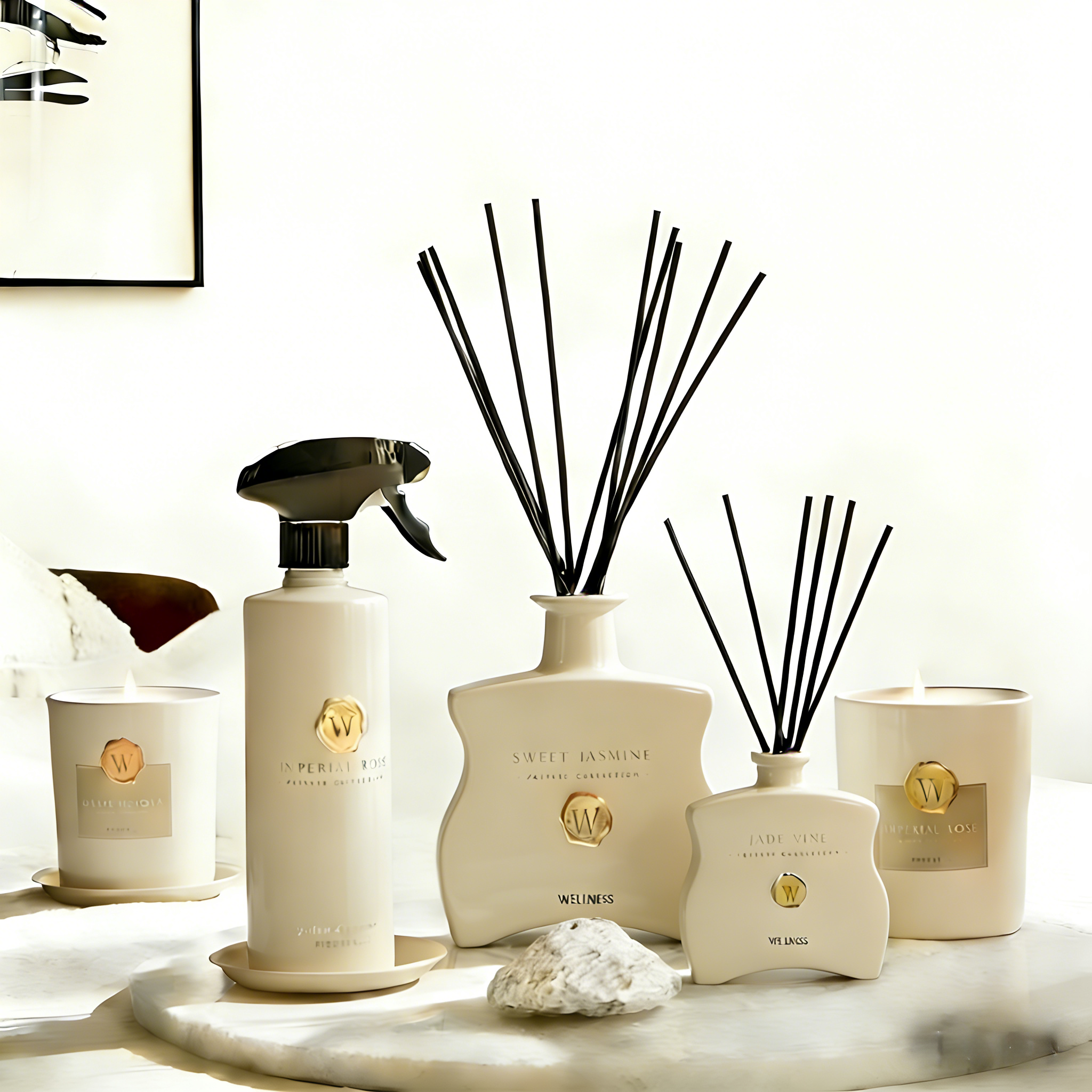
WELLNESS New Design High End Decorative Scented Candle Gift Set Luxury Perfume Rose Home Fragrance Reed Diffuser for Party Event
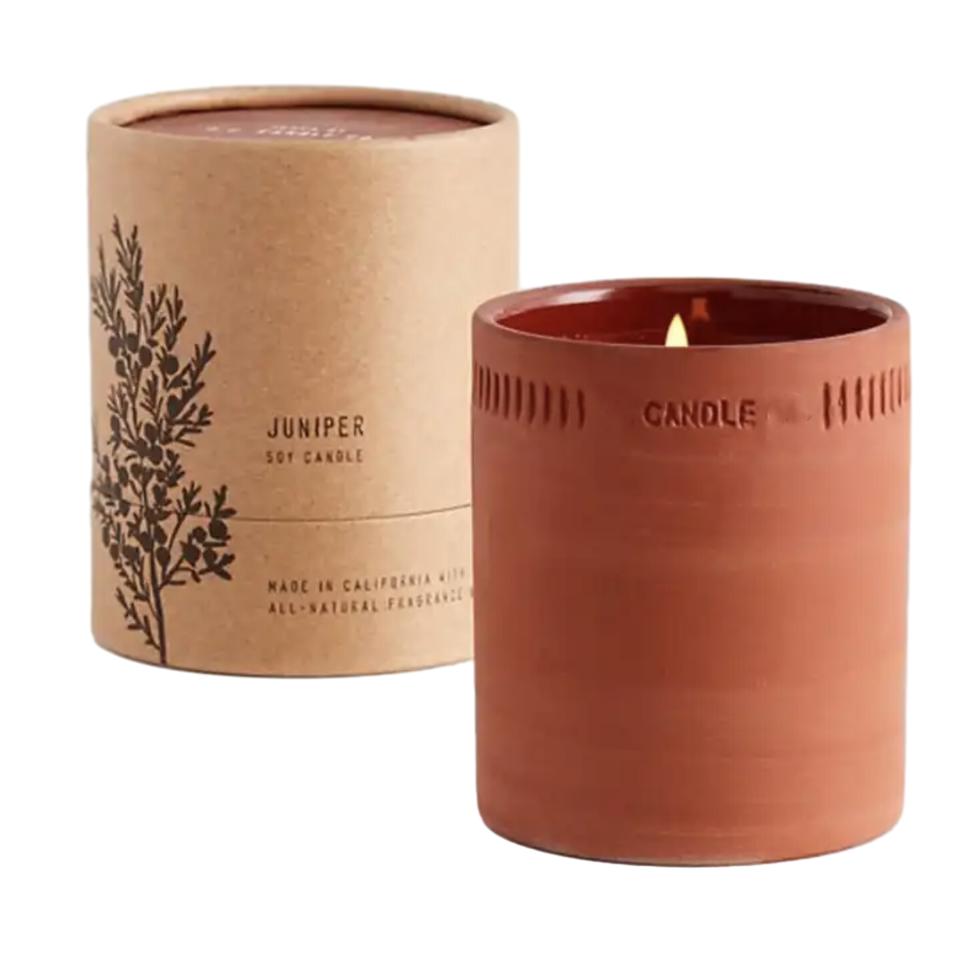
Supplies Business Wholesale Custom Private Label Luxury Pillar Natural Pure Plant Oil Soy Wax Scented Candle with Gift Box
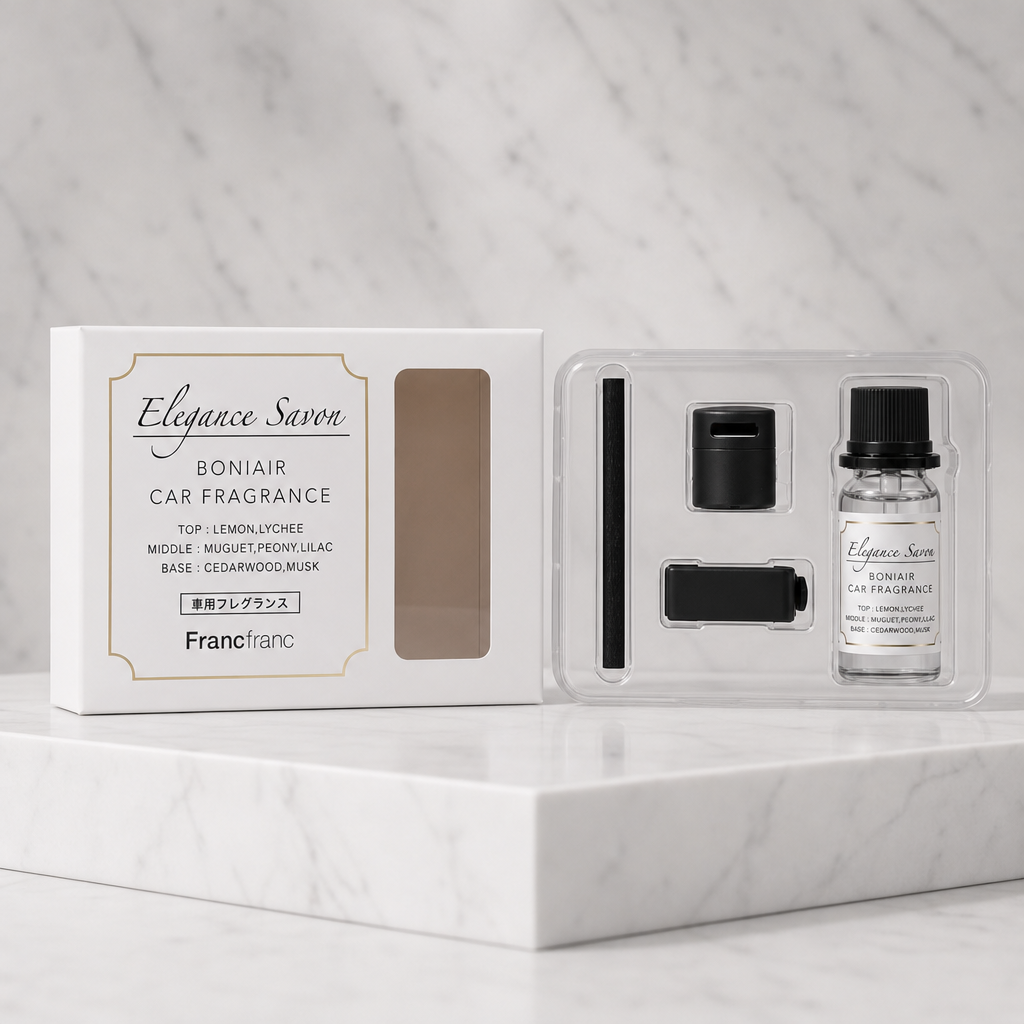
Wellness Luxury Automotive Aroma Diffuser Set Custom Logo Window Gift Box Vehicle Air Freshener Sets Bulk Wholesale Manufacturer

WELLNESS Custom Home Decor Bell Glass Shield Dried Flower Plants Soy Wax Scented Candle Christmas Perfume Candles Gift Sets
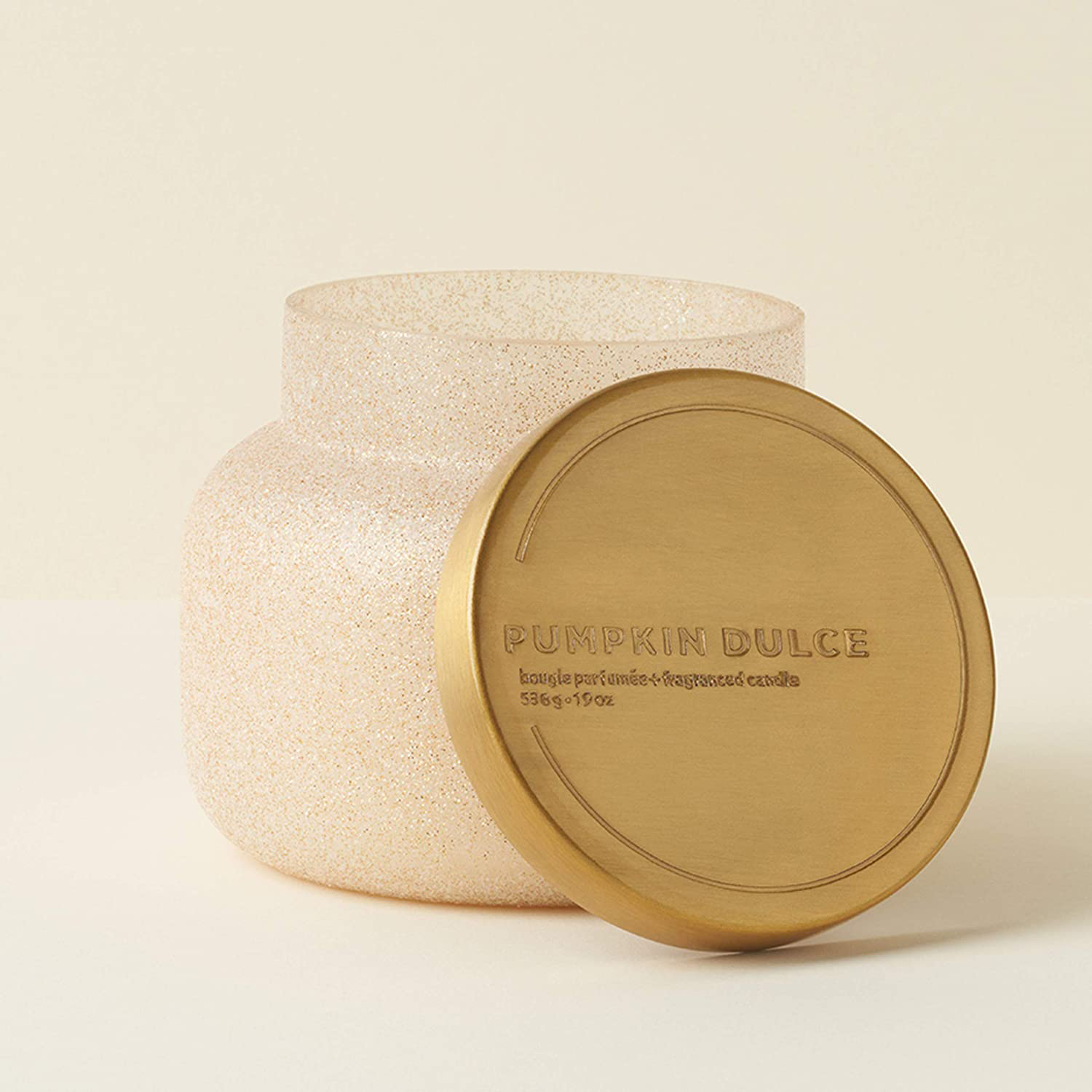
Luxe Frosted Glass Jar with Metal Cover Aromatherapy Candle Home Decor Custom Candle Jar Scented Soy Wax Candle in Bulk
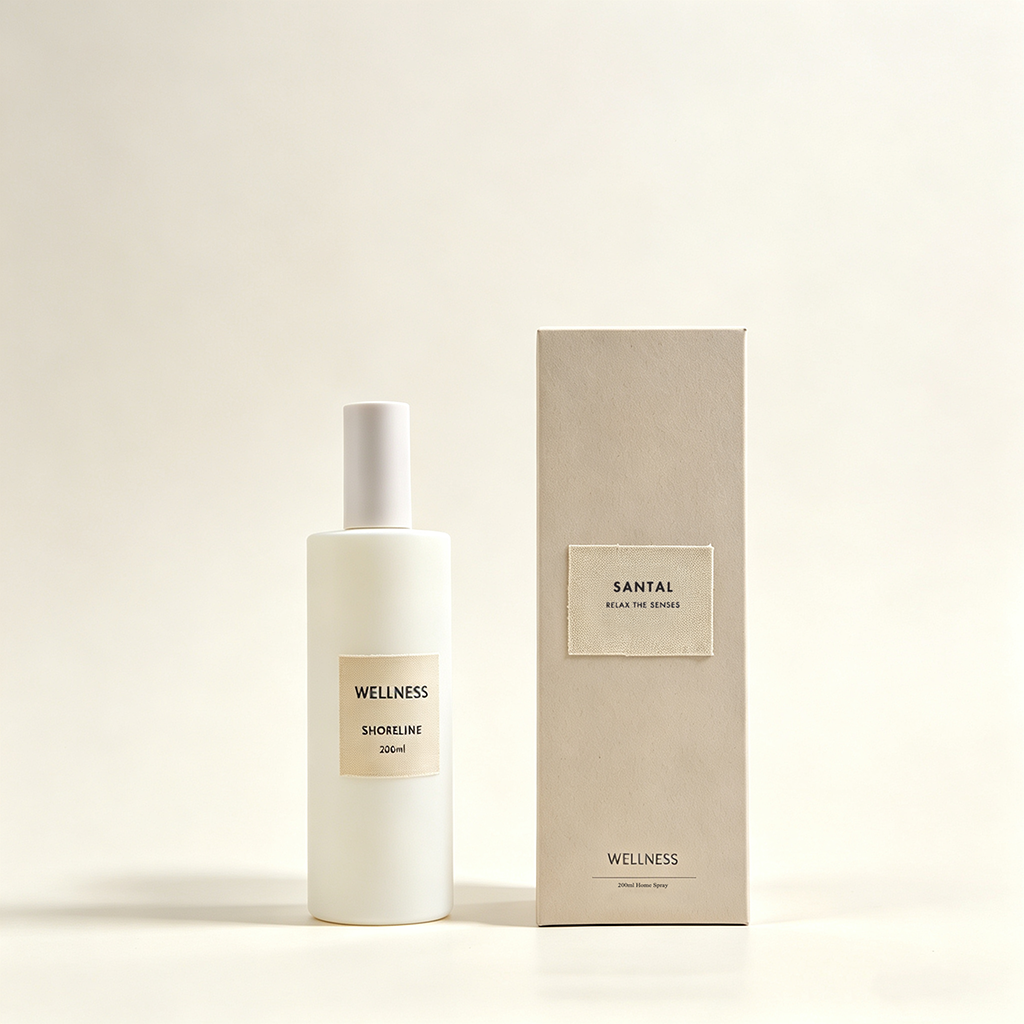
WELLNESS Home Aromatherapy Air Freshener Manufacturer - Supporting Custom Private Label | Long-Lasting Room Deodorizer Spray
Shanghai Qusden Household Products: Industrial Capacity & OEM Expertise
As a tier-one OEM/ODM manufacturer headquartered in Shanghai, China, Shanghai Qusden Household Products Co., Ltd. operates a vertically integrated production facility exceeding 5,000 square meters. Certified under BSCI and ISO 9001, we eliminate supply chain vulnerabilities for global luxury fragrance brands.
In-House Vessel Customization
We execute multi-stage glass finishing within our audited line. Operations include automated paint spraying, high-precision screen printing, electroplating, and hot-foil gold stamping to match pantone aesthetics without sub-contracting risks.
Advanced Fragrance Binding
Utilizing high-shear industrial temperature-controlled mixers, we achieve micro-homogenization of natural botanical soy wax and essential oil blends, eliminating fragrance weeping and ensuring consistent cold and hot aroma throw.
Rigorous QA Stability Chambers
Before batch dispatch, finished products are subjected to vacuum drying ovens (checking for subsurface shrinkage), transport vibration simulators, and constant temperature/humidity incubation (45°C thermal stress test).
Thermodynamic Properties & Clean-Burn Chemistry of Soy Wax
Transitioning from petroleum-derived paraffin to 100% natural hydrogenated soybean wax requires precise physical-chemical control. Below is an engineering overview of soy wax formulation variables for commercial candle manufacturing.
Soy Wax Crystalline Structure & Polymorphism
Natural soy wax consists of complex triglycerides composed predominantly of stearic (C18:0) and palmitic (C16:0) fatty acids. During cooling, soy wax naturally exhibits polymorphism—crystallizing into alpha ($\alpha$), beta-prime ($\beta'$), and stable beta ($\beta$) phases.
Improper thermal profiles during pouring lead to unwanted surface frosting (whitish crystal growth) and sinkholes. Shanghai Qusden controls solidification using tight cooling tunnel parameters and precise addition of plant-derived monoglycerides. This stabilizes the $\beta'$ crystal lattice, ensuring a smooth, satin surface finish without paraffin additives.
Wick Hydrodynamics & Combustion Kinetics
Because botanical soy wax possesses higher viscosity and surface tension in its molten state than paraffin, standard cotton wicks fail to maintain an optimal melt pool. Our laboratory utilizes lead-free, unbleached cotton wicks interwoven with structural paper filaments.
This self-trimming, directional weave creates a 90-degree curl during combustion, maintaining a flame temperature between 800°C and 1000°C. This ensures complete vapor cracking, zero carbon soot formation, and strict adherence to EN 15493 and ASTM F2417 safety parameters.
| Technical Parameter | Container Soy Wax (Soft Blend) | Pillar / Molded Soy Wax (Hard Blend) | Standard Paraffin Wax (Refined) |
|---|---|---|---|
| Melting Point (°C / °F) | 48°C – 52°C (118°F – 125°F) | 58°C – 62°C (136°F – 143°F) | 56°C – 65°C (132°F – 149°F) |
| Iodine Value (g I₂/100g) | 45 – 52 (Higher unsaturation) | 15 – 25 (Fully hydrogenated) | 0 (Hydrocarbon derivative) |
| Max Fragrance Oil Load | 8% – 12% by weight | 6% – 8% by weight | 6% – 8% (Requires fixatives) |
| Carbon Soot Production | Near Zero (< 0.05 mg/hr) | Near Zero (< 0.05 mg/hr) | Moderate to High (> 0.35 mg/hr) |
| Biodegradability & VOC | 100% Biodegradable / Zero VOC | 100% Biodegradable / Zero VOC | Non-biodegradable / Petro-VOCs |
Key Procurement & Innovation Trends for Importers
Sourcing directors must navigate shifting global consumer demands and evolving international environmental legislation. Incorporating these four macro trends into your product development roadmaps will maintain your competitive advantage.
1. Tightening Global VOC & CLP Regulations
Regulatory bodies in North America (California Air Resources Board - CARB) and the European Union (REACH Annex XVII & CLP Regulation EC 1272/2008) are enforcing stricter safety labeling on airborne volatile organic compounds (VOCs). Future-proof sourcing mandates pure soy or coconut-soy bases, phthalate-free fragrance oils, and fully compliant allergen labeling—services integrated directly within Shanghai Qusden's R&D protocols.
2. Smart Hybrid & Multi-Sensory Vessel Design
Consumers are demanding products that serve as premium home decor items. Emerging innovations include internal real-flame optical sensors, LED light-up reactive glass bases, and double-walled insulated thermal jars. Integrating electronics or dried botanical accents requires rigorous thermal isolation testing to guarantee vessel integrity under extended burn cycles.
3. Circular Packaging & Refill Eco-Systems
To reduce international freight weights and support circular economy models, luxury brands are expanding into soy wax candle refills. This trend focuses on ceramic vessels paired with pre-cast, paper-wrapped soy wax inserts, alongside reusable frosted glass diffusers. B2B importers are prioritizing suppliers capable of executing both vessel tooling and insert casting.
4. High-Stress Ocean Freight & Thermal Protection
Global supply chain volatility requires container shipping resilience. Soy wax has a lower melting point than paraffin, making standard ocean freight through tropical equatorial maritime routes prone to melting and surface oil sweating. Advanced manufacturers utilize thermo-stabilized wax formulations and high-density corrugated transit packaging validated through specialized climate testing.
Frequently Asked Questions for B2B Importers
Detailed technical and commercial answers compiled by Shanghai Qusden's international trade and chemical engineering divisions.
Accelerate Your Private Label Soy Candle Program
Partner with China's leading verified home fragrance exporter. Contact our Shanghai engineering and trade department today to request catalog samples, custom scent evaluations, or factory audit documentation.