Featured OEM/ODM Essential Oil & Soy Candle Collections
Verified contract manufacturing lines featuring high-purity natural wax matrices, essential oil synergy blends, artisan ceramic vessels, and hand-poured candle craftsmanship.
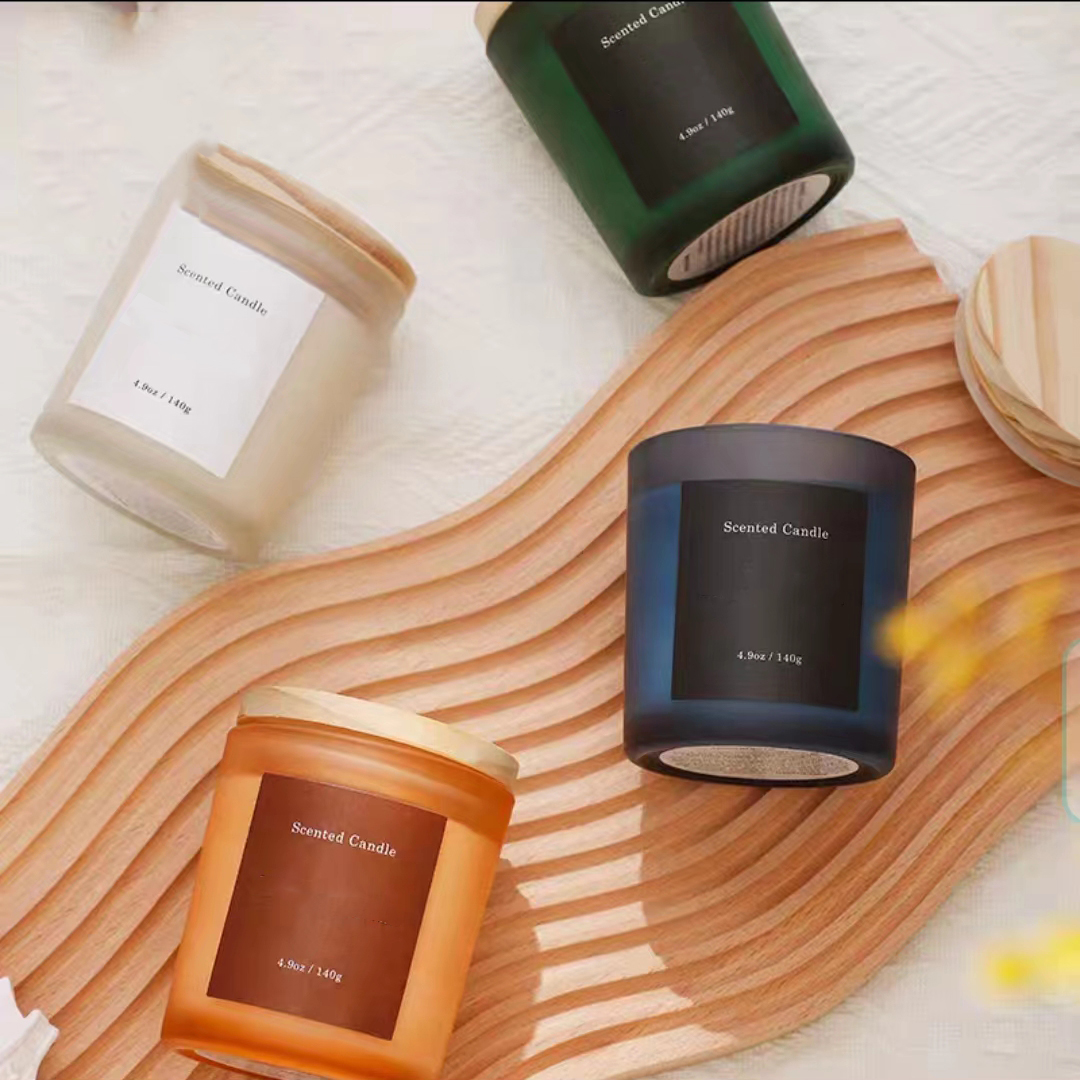
Private Label Luxury Beeswax and Palm Wax Pillar Candles with Wood Lid
View Details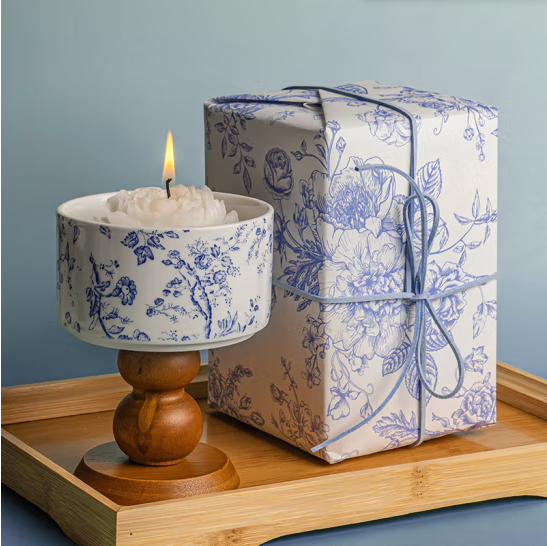
Wholesale Luxury Blue White Porcelain Ceramic Jar Scented Soy Wax Candles
View Details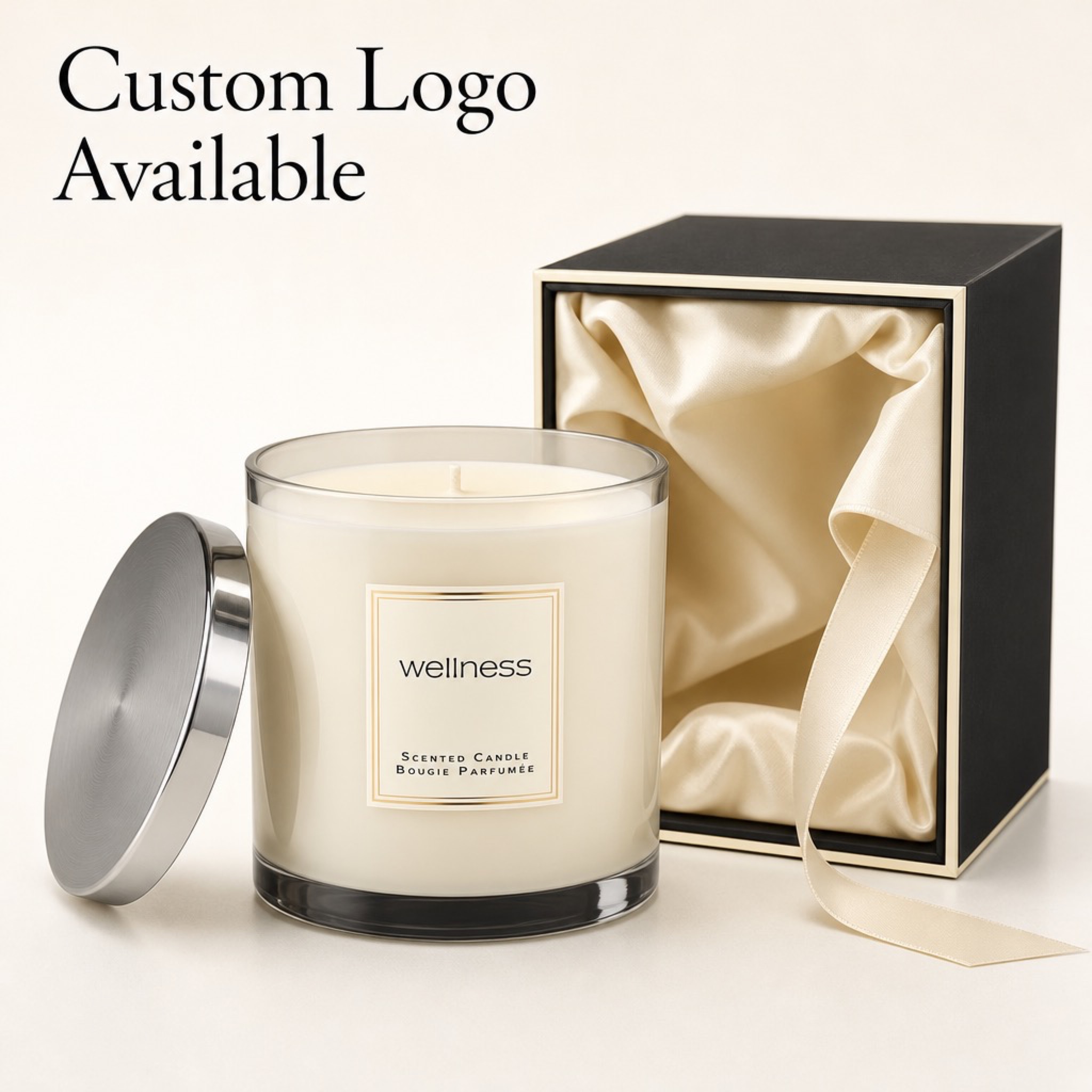
Wholesale Custom Luxury Scented Soy Wax Glass Candles with Metal Lid
View Details
High-Grade Glass Crystal Stone Scented Candle Long-Lasting Fresh Air
View Details
WELLNESS Wholesale Classics Colourful Marble Pillar Handmade Soy Candle
View Details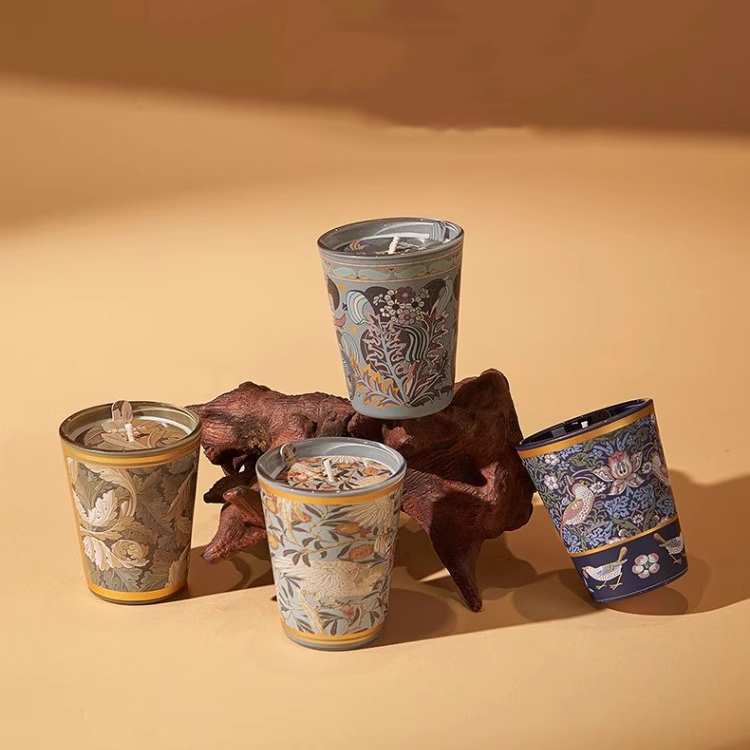
WELLNESS Customized Luxury Art Gallery Glass Jar Vegan Soy Wax Candle
View Details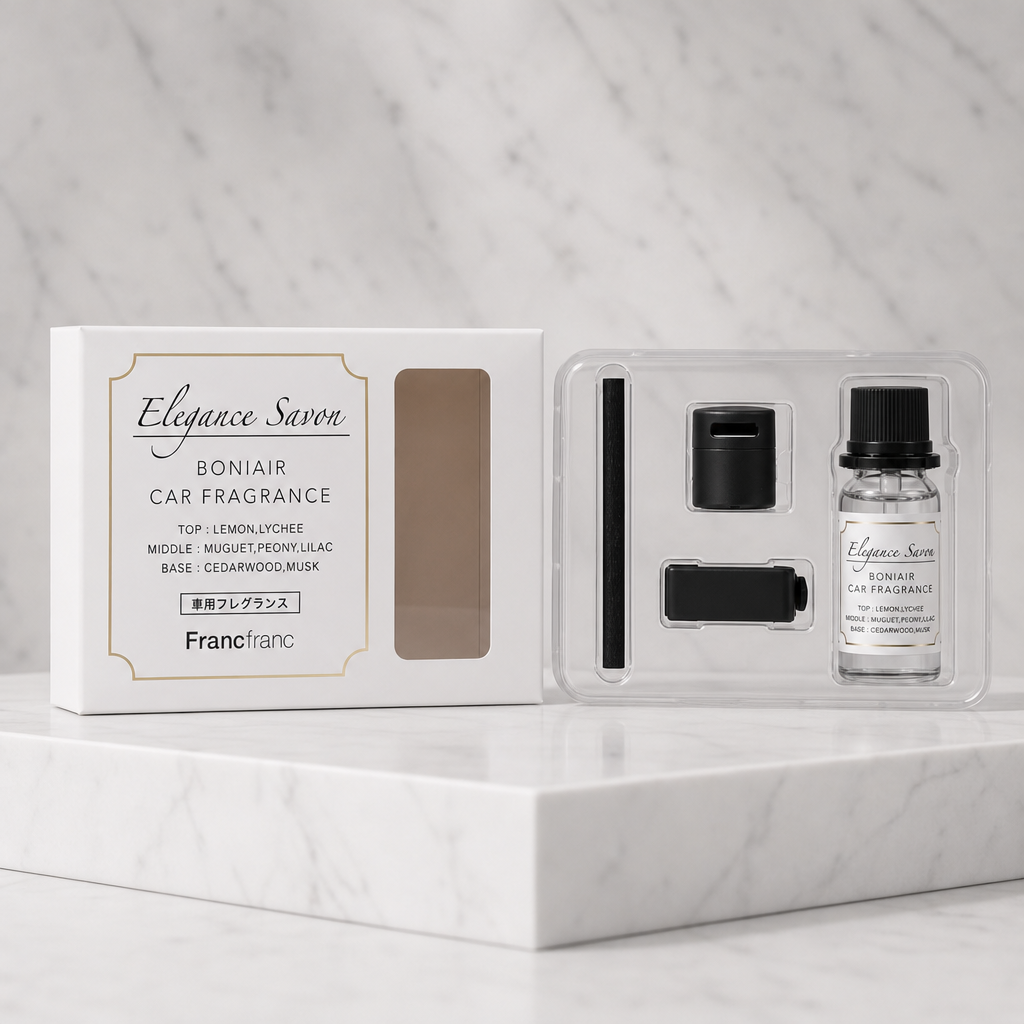
Wellness Luxury Automotive Aroma Diffuser Set Custom Logo Window Gift Box
View Details
WELLNESS Home Fragrance Factory Custom Odor Eliminating Room Spray
View DetailsState of the OEM/ODM Essential Oil Candle Sourcing Industry
The international home aroma landscape is currently undergoing a structural pivot. Modern consumers are no longer satisfied with synthetic olfactory profiles derived from petroleum-based paraffin matrices. Global retail procurement directors, luxury boutique owners, and commercial hospitality scent architects are demanding pure, sustainable, and functional botanical formulations. As a result, searching for a qualified OEM/ODM essential oil candles supplier requires looking far beyond standard contract manufacturing. Procurement managers must now evaluate chemical stability standards, botanical flash-point preservation protocols, clean wax matrix integration, and strict international regulatory compliance including IFRA 51st Amendment standards and EU CLP guidelines.
Essential oil candles represent a uniquely complex technical category within contract candle filling. Unlike synthetic fragrance oils engineered for high heat tolerance, unrefined plant distillates—such as Lavandula angustifolia, Citrus aurantium bergamia, and Santalum album—contain volatile organic compounds that degrade rapidly if exposed to improper pouring temperatures. Achieving a consistent hot scent throw while maintaining a clean combustion profile demands sophisticated thermal-controlled dosing equipment, precise wick capillary pairing, and rigorous batch-level stability testing.
Technical Dynamics of Botanical Essential Oil Candle Manufacturing
Manufacturing market-ready private label essential oil candles involves precise physical chemistry. At Shanghai Qusden Household Products Co., Ltd., contract manufacturing is elevated from basic wax pouring to precision olfactory engineering. Understanding the underlying science enables procurement teams to write tight technical specs and prevent costly quality defects during mass production.
1. Botanical Flash Point Management
Citrus top notes feature low flash points (often between 43°C and 55°C). Mixing these oils into high-temperature molten wax causes immediate aroma flashing and loss of top-note fidelity. OEM protocols require vacuum-assisted cooling stages to introduce sensitive oils at exact threshold temperatures (58°C–62°C) prior to vessel deposition.
2. Natural Wax Matrix Synergy
Pure soy wax, beeswax, and palm wax matrices exhibit distinct crystalline patterns upon cooling. Pure essential oils lack synthetic binders, which can trigger phase separation (syneresis). Formulating proprietary hydrogenated soybean oil, pure beeswax, and food-grade palm wax blends stabilizes up to 10–12% essential oil concentrations without oil bleeding.
3. Combustion & Capillary Rate Matching
Essential oils increase the viscosity of molten wax pools. Standard cotton wicks often clog due to uncombusted heavy botanical molecules (resins and barks). Utilizing custom-braided, lead-free, unbleached cotton wicks or FSC-certified wooden wicks ensures complete capillary combustion, zero black soot emissions, and uniform flame height.
Without robust formulation protocols, essential oil candles frequently suffer from short shelf lives. Natural terpenes oxidize when exposed to UV light and ambient oxygen, altering scent profiles and turning white soy wax a murky yellow. Professional OEM suppliers incorporate natural tocopherols (Vitamin E) and plant-derived UV inhibitors into the formulation, preserving the candle's visual clarity and scent integrity for 24 to 36 months of warehouse storage.
Future Procurement Trends for Essential Oil Candles (2025–2030)
Global retail buyers must align their supply chains with shifting consumer preferences and tightening international chemical regulations. Modern procurement strategies are moving away from spot-market buying toward long-term strategic ODM partnerships capable of supporting rapid product line iteration. Below are the key structural trends shaping essential oil candle sourcing over the next decade:
A. Clean-Label Rigor & Absolute Phthalate Elimination
Regulators in the EU (REACH) and North America (California Prop 65) are cracking down on volatile synthetic fragrance carriers, synthetic musks (such as Galaxolide), and phthalate plasticizers. Procurement standards now demand full Chemical Safety Reports (CSR), Safety Data Sheets (SDS) adhering to GHS standards, and IFRA 51st Amendment certificates for every batch. Modern OEM suppliers must maintain transparent supply chains for every drop of plant extract used.
B. Functional Aromatherapy & Neuroscience-Backed Scents
The consumer market is moving beyond simple "pleasant scents" toward functional wellness. Essential oil candles are increasingly marketed for specific psychological and physiological benefits—such as cortisol reduction, sleep hygiene enhancement, or cognitive focus. OEM partners must offer validated olfactory blending, using standardized essential oil ratios (e.g., Linalool/Linalyl Acetate ratios in Lavender) to support brand claims.
C. Closed-Loop Vessel Sustainability & Artisan Materials
Single-use clear glass jars are being replaced by reusable, heirloom-quality vessels. Demand for hand-thrown ceramic jars, blue-and-white porcelain urns, natural marble pillars, and electroplated frosted glass with natural wooden or bamboo lids is accelerating. Brands seek ODM suppliers capable of custom vessel tooling, ceramic glaze development, and zero-plastic rigid gift box packaging under one roof.
D. Automated Temperature-Controlled Pouring & QC Automation
Hand-pouring remains valued for craft market appeal, but commercial scale requires automated precision. Advanced contract suppliers deploy automated multi-stage filling lines with real-time temperature tracking, inline load-cell check-weighing, and automated cooling tunnels. This automation guarantees uniform wax shrinkage, flat surfaces, and zero sinkholes across high-volume production runs.
Shanghai Qusden Household Products Co., Ltd. Enterprise Advantage
Operating out of a modern 5,000+ square meter facility in Shanghai, China, Shanghai Qusden Household Products Co., Ltd. stands as a premier custom manufacturer of soy wax scented candles, reed diffusers, room sprays, and home fragrance gift sets. Serving global retailers, luxury boutique brands, and hotel chains across North America, Western Europe, and Oceania, Qusden integrates artful craftsmanship with industrial-grade quality control.
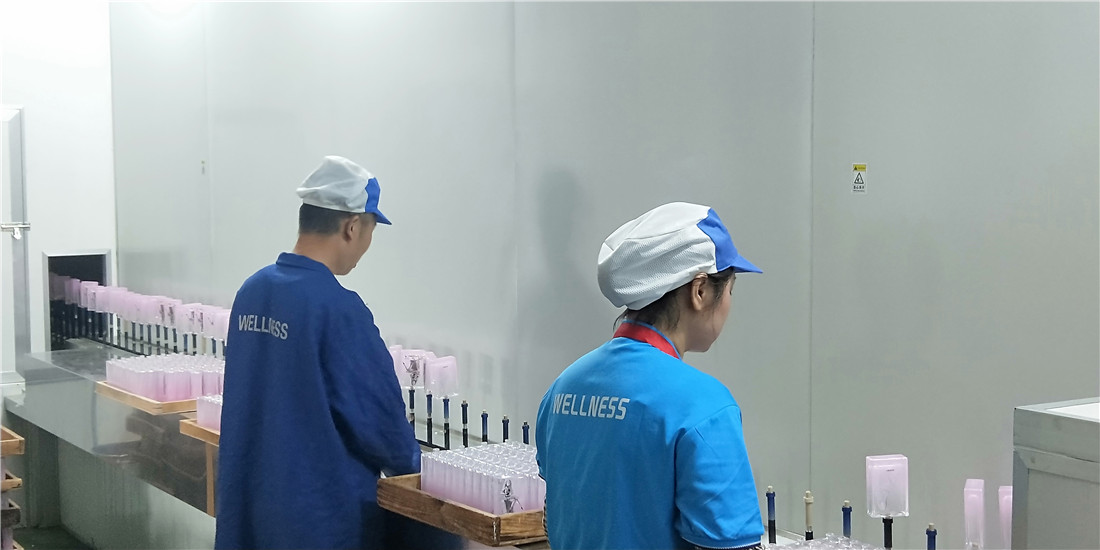
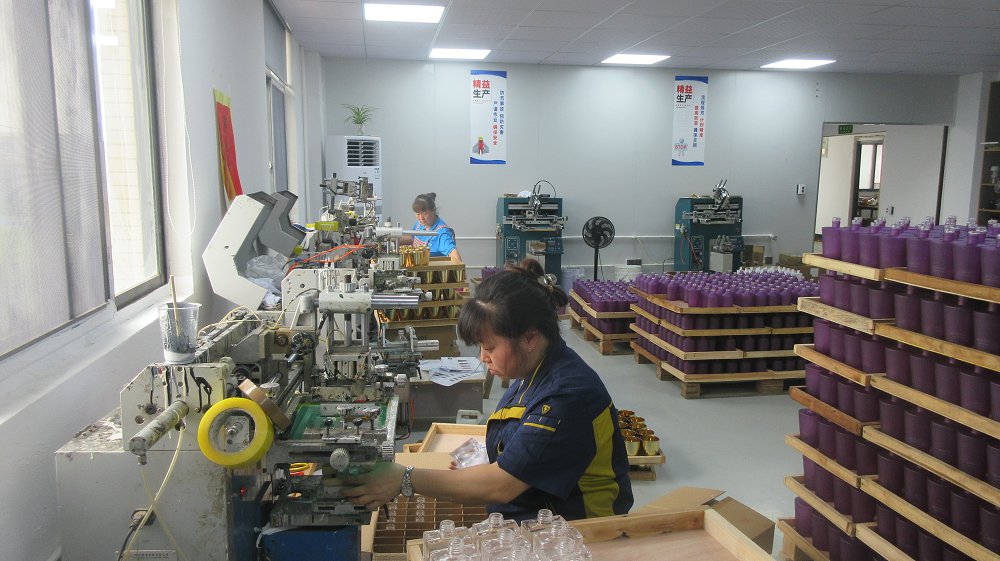
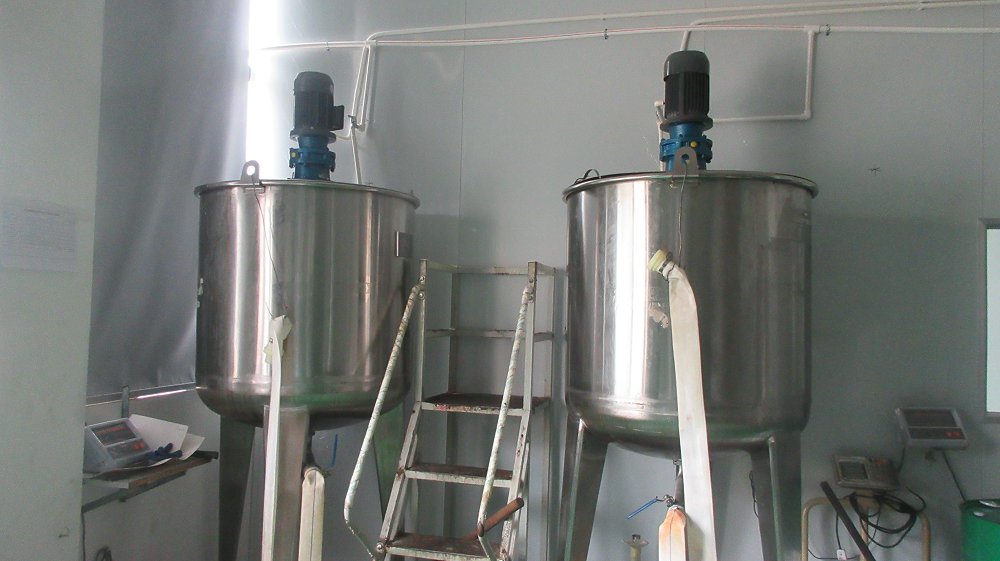

Unlike sourcing agencies or export trading intermediaries, Qusden manages the entire manufacturing cycle under one roof. From raw wax blending and fragrance matching to vessel spraying, silk-screen printing, hot foil stamping, and rigid gift box box-forming, vertical integration ensures strict quality management and cost efficiency.
In-House Decoration & Tooling
Eliminate third-party processing delays. Qusden runs dedicated lines for lacquering, matte spraying, metallic electroplating, screen printing, and heat-transfer labeling for glass, ceramic, and marble vessels.
Rigorous Lab QA/QC Testing
Every production batch undergoes strict quality testing, including transit vibration simulations, constant temperature/humidity incubation (-20°C to 60°C testing), vacuum drying oven stability tests, and burn pool evaluations.
Global Compliance & Audits
Qusden holds BSCI and ISO 9001 certifications and has been audited on-site by SGS Group. All candle formulations comply with international safety regulations, including CLP, REACH, and SDS documentation.
Standard Operating Procedure for Private Label Sourcing
Launching a private label essential oil candle line with Qusden follows a streamlined, transparent 6-stage engineering workflow designed to minimize lead times and eliminate miscommunications:
Stage 1: Technical Concept & Briefing
Client submits target specifications, including desired fragrance notes, vessel aesthetics, wax type (soy, beeswax, palm), burn-time targets, and target retail price point.
Stage 2: Olfactory & Wax Formulation
R&D chemists blend custom essential oil profiles, calculate flash point thresholds, select matching wick structures, and pour initial laboratory benchmark samples.
Stage 3: Pre-Production Sample Sign-Off
Physical samples are delivered for burn evaluation, scent throw verification, soot emission checks, and structural packaging inspection.
Stage 4: Automated Mass Production
Following sample approval, automated dosing lines fill the candles under strict temperature controls while inline load-cell systems verify fill weights.
Stage 5: Packaging & Quality Audits
Products move to custom packaging lines where rigid gift boxes, custom labels, and security seals are applied alongside batch-level QC inspections.
Stage 6: Global Freight & Logistics
Export cartons pass drop and vibration tests before dispatch under FOB, CIF, or EXW terms, accompanied by all necessary MSDS and transport documentation.
Essential Oil Candle Sourcing & Manufacturing FAQ
What is the minimum order quantity (MOQ) for custom OEM essential oil candles?
How do you ensure essential oils retain their aromatic strength and don't flash off during production?
Can Qusden match an existing signature fragrance or develop custom therapeutic essential oil blends?
What certifications and quality standards does your factory maintain for international export?
Why choose soy wax, beeswax, or palm wax over traditional paraffin wax for essential oil candles?
How does Qusden test and prevent wax frosting, surface pitting, and oil weeping?
What are the standard production and delivery lead times for wholesale OEM orders?
What container decoration techniques can be performed in-house?
Accelerate Your Essential Oil Candle Launch
Partner with a verified, BSCI & ISO9001 certified contract manufacturer. Download our comprehensive OEM/ODM product catalog, request custom fragrance samples, or schedule a technical consultation with our engineering team today.
Get Catalog