Flagship Ceramic & Luxury Vessel Candle Collections
Direct from our BSCI & ISO9001 certified manufacturing facility. Select a validated vessel format to initiate custom OEM/ODM formulation, custom glazing, and private label packaging.
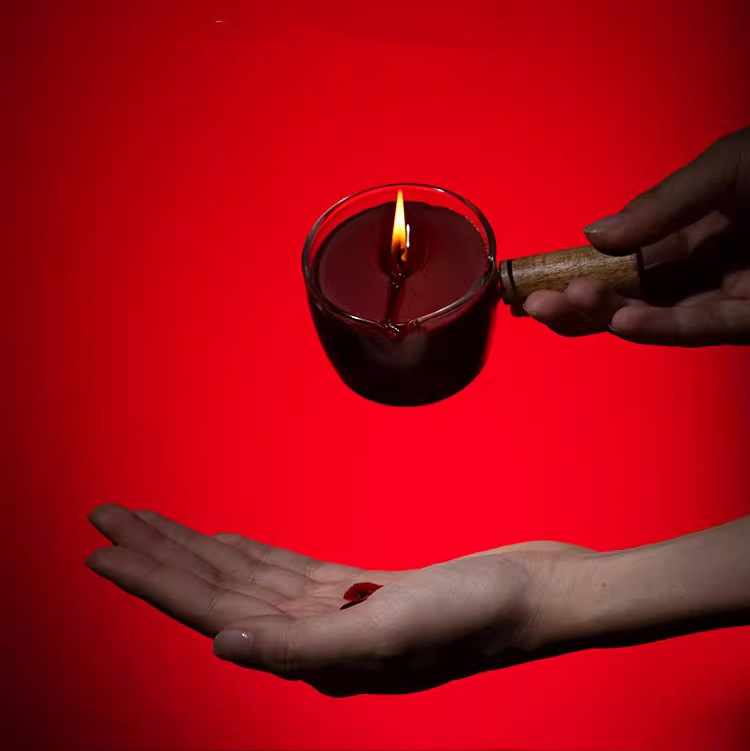
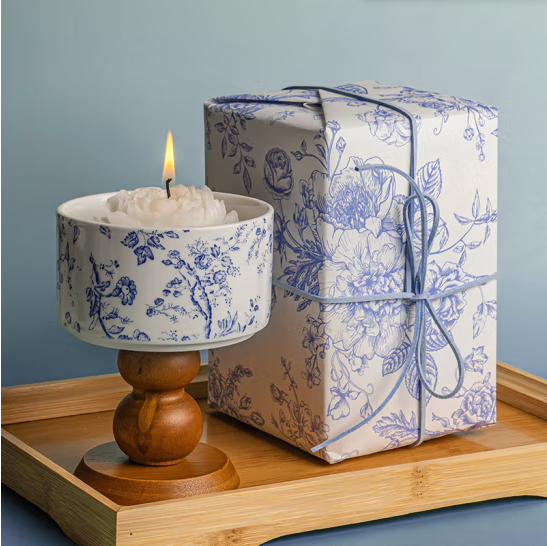


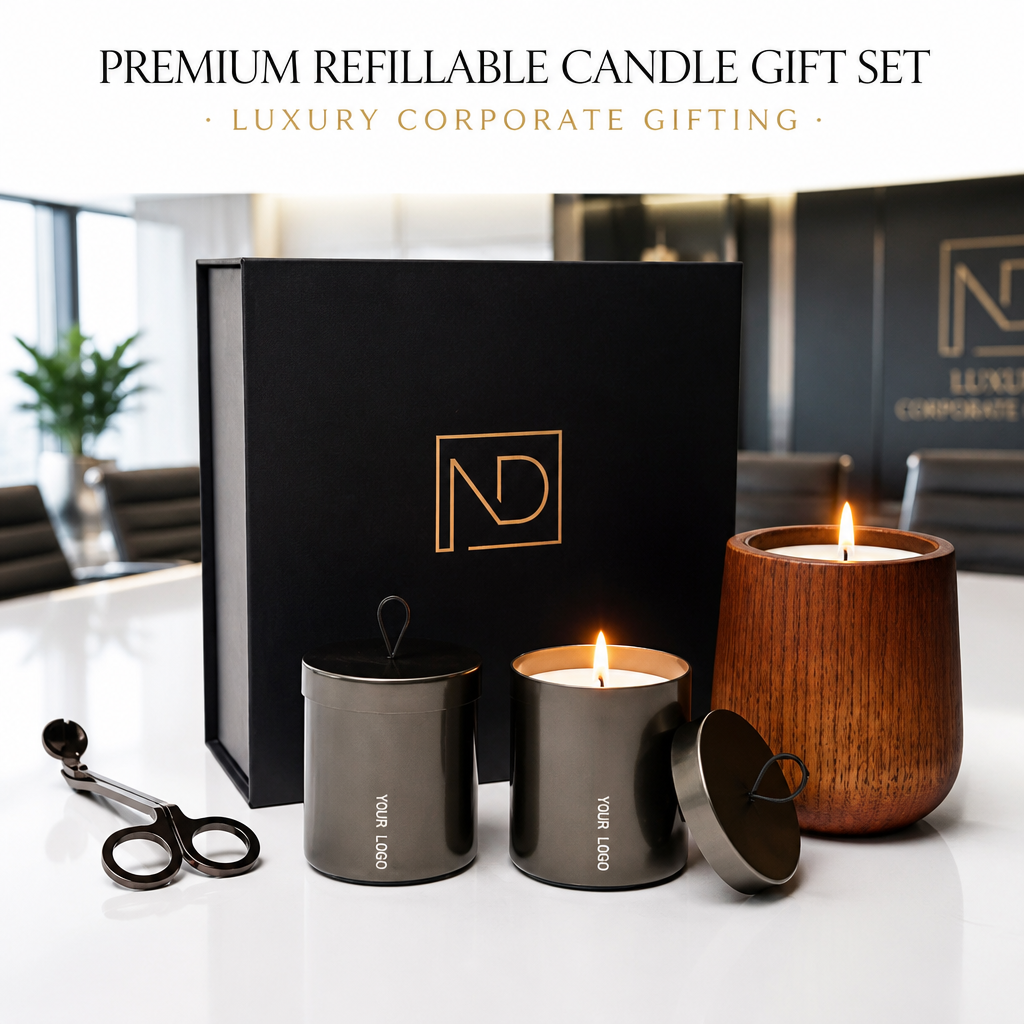


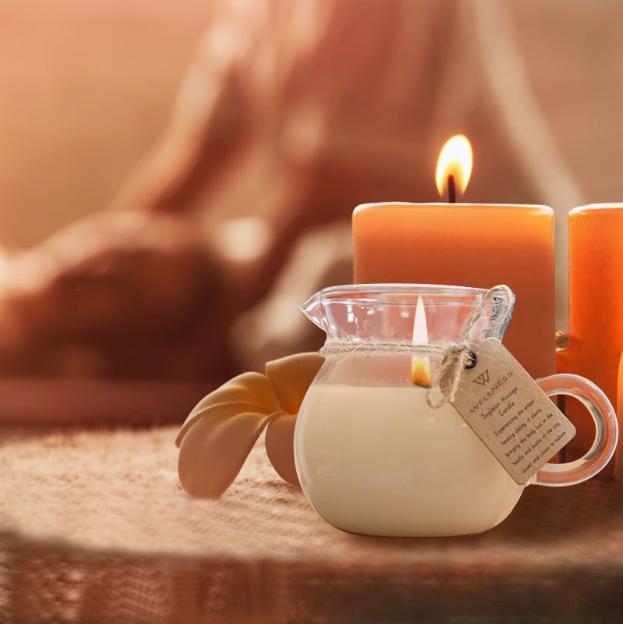
The Strategic Shift Toward Ceramic Jar Candle Procurement
The global home fragrance sector has experienced a fundamental pivot over the last 36 months. High-end retail buyers, boutique wellness chains, and international luxury hospitality groups are progressively transitioning away from standard clear glass containers toward custom ceramic jar candles. This transformation is driven by consumer demand for artisan craftsmanship, superior tactile weight, elevated home decor aesthetic, and second-life vessel reusability.
Unlike conventional soda-lime glass jars, ceramic candle vessels—spanning vitrified porcelain, dense stoneware, and terra cotta—offer unmatched structural versatility. Ceramic acts as an exceptionally effective thermal insulator, slowing the lateral heat dispersion from the melt pool to the outer wall. This structural characteristic lowers vessel surface temperatures during extended burns, reducing heat transfer to furniture while optimizing the wax melt pool depth for maximum Cold Scent Throw (CST) and Hot Scent Throw (HST) efficiency.
Material Science Breakdown: Porcelain vs. Stoneware vs. Earthenware
For global procurement directors and private label brand owners, selecting the correct ceramic substrate is a critical engineering decision that dictates manufacturing costs, shipping durability, thermal performance, and compliance safety:
| Ceramic Substrate | Sintering Temp | Water Absorption Rate | Thermal Shock Resilience | B2B Sourcing Intent |
|---|---|---|---|---|
| High-Fire Porcelain | 1,280°C – 1,400°C | < 0.5% (Non-porous) | Superior (Up to 220°C differential) | Ultra-luxury private label, translucent thin-wall designs. |
| Industrial Stoneware | 1,150°C – 1,250°C | 0.5% – 2.0% (Vitrified) | High (Resists micro-fracturing) | Mass-luxury retail, reactive glaze aesthetic, durable daily burn. |
| Glazed Earthenware | 1,000°C – 1,150°C | 3.0% – 10.0% (Porous body) | Moderate (Requires thick glaze) | Budget decorative collections, matte terracottas, rustic gifts. |
When specifying ceramic vessel requirements to an OEM exporter, ensuring a water absorption rate under 1.0% is paramount. High porosity allows fragrance oils and melted wax to leach into the unglazed bisque wall over time, creating cosmetic discoloration, rancid oil trapped in porous micro-cavities, and potential flame-seepage safety risks. Shanghai Qusden Household Products enforces strict high-temperature vitrification protocols across all ceramic jar production lines to guarantee zero oil absorption and complete safety compliance.
Global Benchmarking: Top 10 Ceramic Jar Candles Exporter Regions
Navigating the global supply chain requires understanding the geographic, technological, and regulatory dynamics of the top manufacturing hubs. Below is an authoritative technical evaluation of the world's leading ceramic jar candle exporting regions and operational profiles.
01. Shanghai Qusden Household Products (China)
Core Specialization: Integrated OEM/ODM High-Fire Ceramic Jars, Organic Soy-Coconut Wax Blends, In-House Rigid Gift Box Fabrication.
Competitive Advantage: Operating a fully integrated 5,000+ m² production facility in Shanghai, Qusden bridges luxury ceramic craftsmanship with rigorous industrial throughput. Features automated spray coating, high-precision screen printing, electroplating, and in-house vacuum drying and transport-vibration testing labs. Certified by BSCI, ISO 9001, and SGS on-site audit.
02. Central Portugal Ceramic Artisans (Portugal)
Core Specialization: Terracotta & Stoneware Artisan Vessels, Hand-Painted Glazes.
Operational Profile: European regional suppliers favored by EU heritage brands for short freight transit. Highly skilled craft execution, but limited by high labor costs, longer vessel tooling cycles, and fragmented wax pouring operations that require secondary subcontracting.
03. Bat Trang Ceramics Cluster (Vietnam)
Core Specialization: Reactive Glaze Stoneware, High-Volume Earthenware Vessels.
Operational Profile: Strong export capacity for unpoured empty vessels to North America. However, internal wax blending, automated fragrance dosing, and stringent CLP/REACH compliance testing infrastructure remain underdeveloped compared to advanced Chinese facilities.
04. Khurja Pottery & Fragrance Hub (India)
Core Specialization: Traditional Studio Ceramics, Deco-Embossed Jars, Essential Oil Candles.
Operational Profile: Competitive raw material pricing for base ceramic clays. Frequently utilized for bohemian or rustic product lines. Challenges center on batch-to-batch dimensional tolerance variations which can create automatic capping and wick-centering alignment issues on modern automated filling lines.
05. Silesian Ceramic & Glass Labs (Poland)
Core Specialization: Matte White Porcelain, Minimalist Scandinavian Aesthetic.
Operational Profile: Serves Northern European luxury retail. High technical standards for wax cleanliness, but significantly higher MOQs (typically 3,000+ units per custom vessel shape) and steep initial mold engineering costs.
06. Chaozhou Industrial Ceramic Exporters (China)
Core Specialization: Mass-Volume Ceramic Jars, Electroplated Gold/Silver Ceramics.
Operational Profile: Ultra-high daily output capacity for bare ceramic containers. Excellent pricing for commodity volumes, though secondary operations like fine fragrance blending and custom gift box packaging are often outsourced to third-party workshops.
Engineering Ceramic Jar Candles for Global Compliance
Manufacturing a commercial ceramic candle is significantly more complex than filling a glass jar. Because ceramic is an opaque, sintered material, structural flaws, glaze stress, and inner-wall micro-fissures cannot be detected visually without specialized laboratory stress-testing.
1. Heavy Metal Leach Testing & Glaze Formulation
Standard ceramic glazes often rely on lead, cadmium, or chromium compounds to achieve bright reds, deep cobalts, or high-gloss lusters. When exposed to continuous candle flames reaching 600°C at the flame core, unsafe glazes can volatilize or breakdown into toxic heavy metal vapors.
Shanghai Qusden enforces 100% Lead-Free and Cadmium-Free Glaze Chemistry across all private label contracts. Every production run undergoes rigorous leaching tests verified under FDA 21 CFR 175.300, California Proposition 65, and EU REACH Annex XVII standards, ensuring safety for residential usage, massage oil candles, and global retail compliance.
2. Thermal Cycling & Shock Resistance (180°C ΔT)
As a candle burns down to its final 10% of wax volume, heat build-up at the base of the ceramic vessel escalates rapidly. If the ceramic body has an unequal thermal expansion coefficient ($\alpha$) relative to its outer glaze, catastrophic thermal cracking or base fracture occurs.
Step A: Oven Pre-Heating
Vessels are heated to 180°C in an industrial chamber for 60 minutes to simulate maximum flame thermal saturation.
Step B: Quench Immersion
Hot vessels are instantly plunged into 20°C water bath ($\Delta T = 160^\circ\text{C}$). Zero cracking or structural crazing is permitted.
Step C: Burn Validation
Continuous 8-hour over-burn cycles monitor outer wall temperature, maintaining safe thresholds under 65°C.
3. Organic Soy Wax & Fragrance Load Synergy
Ceramic walls absorb and release heat at a slower rate than metal or glass. To optimize cold and hot scent throw without causing wax tunneling or surface soot, the wax matrix must be engineered specifically for ceramic thermal dynamics:
- Soy-Coconut Hybrid Formulations: Melting point calibrated between 48°C – 52°C for complete edge-to-edge melt pool within 90 minutes.
- High Fragrance Load (8% – 12%): Essential oil and fine fragrance load bound via vacuum-blending, preventing oil sweating during tropical transit.
- Acoustic & Thermal Wick Alignment: Utilizing lead-free woven cotton or sustainably sourced FSC-certified wooden wicks that complement the natural acoustic resonance of ceramic jars.
Ceramic Candle Manufacturing Trends (2025–2030)
B2B buyers aiming to maintain high market share must align their product development pipelines with key emerging sustainability and structural design trends shaping the home fragrance industry over the next five years.
1. Circular Refill Ecosystems
Retail buyers are requesting ceramic vessels designed explicitly for multi-year reuse. Brands are pairing heavy ceramic jars with wax drop-in refills or secondary silicon lid accessory kits, turning a single candle sale into an ongoing refill subscription relationship.
2. Tactile Matte & Reactive Mineral Glazes
High-gloss monochromatic prints are giving way to raw matte bisque finishes, sand-textured outer walls, and natural reactive glazes where no two produced ceramic jars look completely identical—delivering a bespoke luxury appeal at scale.
3. Zero-Carbon Kilns & Recycled Clay
Leading exporters like Shanghai Qusden are integrating electric kilns powered by solar power micro-grids and introducing 15% – 25% post-industrial recycled ceramic body formulations to cut embodied carbon in wholesale shipments.
4. Smart Packaging Integration
Anti-counterfeit RFID chips and custom QR codes embedded inside the rigid presentation box lid allow end-consumers to trace fragrance origin, flame-safety instructions, and sustainable refill options directly from their smartphones.
Why Global Retail Brands Partner with Qusden
Shanghai Qusden Household Products Co., Ltd. (Est. 2012) operates as a premier OEM/ODM manufacturer specializing in custom ceramic jar candles, reed diffusers, room sprays, and luxury aroma gift sets.
Unlike trading companies that outsource production across disconnected factories, Qusden unifies all core production phases within our verified 5,000+ m² facility located in Shanghai, China:
Vessel Spraying & Printing
Automated coating lines for custom Pantone color spraying, foil hot-stamping, and multi-color silk screen printing.
Automated Wax Filling
Temperature-controlled filling lines with automatic volumetric weighing, preserving fragile volatile top notes in fragrance oils.
In-House Rigid Box Line
Precision paper cutting, creasing, and rigid box forming for complete gift-set packaging solutions under one roof.
Comprehensive Quality Control Protocol
Every export consignment undergoes rigorous online and pre-shipment testing inside our dedicated QA lab:
- Transportation Vibration Testing: Simulates sea, air, and highway transit conditions to ensure zero box chafing or ceramic breakage.
- Constant Temperature & Humidity Incubation: Validates wax stability and fragrance oil binding from -15°C to 50°C.
- Vacuum Drying Oven Testing: Verifies air-tight seals on room sprays, diffusers, and lid-fitted ceramic jars to eliminate leakage risk during transit.
- 100% Online Fill & Wick Inspection: Digital camera vision and weight-check systems guarantee precise unit consistency.
Frequently Asked Questions (FAQ) for Enterprise Buyers
Ready to Develop Your Private Label Ceramic Candle Collection?
Partner with Shanghai Qusden for end-to-end ceramic vessel tooling, custom scent engineering, and certified export manufacturing. Receive technical guidance, pricing proposals, and sample kits within 24 business hours.