Featured Wholesale Beeswax & Aromatherapy Collections
Explore our export-ready signature product lines manufactured under strict ISO 9001:2015 and BSCI quality control standards. Custom vessel finishes, wax blends, and fragrance loads available for private label procurement.





The Material Science & Thermal Physics of Pure Beeswax Combustion
As commercial procurement transitions away from paraffin and semi-synthetic wax matrices, technical buyers must understand the precise chemical, thermodynamic, and environmental parameters that make pure beeswax (Cera Alba) the superior medium for luxury and wellness home fragrance applications.
At an elemental level, natural beeswax is secreted by honeybees (primarily Apis mellifera) to construct honeycomb structures. Unlike petroleum-derived paraffin wax, which consists of complex mixtures of straight-chain saturated alkanes, natural beeswax is an intricate organic matrix composed of over 300 individual chemical compounds. Its primary constituents include long-chain monoesters (45%–50%), free fatty acids (12%–15%), hydrocarbons (14%–17%), complex hydroxyesters, and natural aromatic compounds derived from floral pollen and propolis.
This structural complexity imparts distinct physical and thermal performance attributes crucial for high-end candle manufacturing and private label product longevity:
Elevated Melting Point & Energy Density
Pure yellow and white beeswax possesses a high melting point range of 62°C to 65°C (144°F to 149°F). This thermal boundary substantially exceeds that of soy wax (45°C–52°C) and standard paraffin (48°C–56°C). Consequently, beeswax candles yield a significantly longer burn time per gram of fuel, maintaining structural integrity under high ambient tropical export temperatures without container warping or slumping.
Negative Ion Air Purification Mechanics
Complete combustion of pure beeswax yields water vapor and carbon dioxide while generating negative ions. Negative ions chemically bind with positively charged airborne pollutants, such as microscopic dust, pollen, dander, and volatile organic compounds (VOCs). The resulting neutralized particulate clusters increase in mass and drop out of the breathing zone, creating a natural air-cleansing effect highly valued in clinical and spa environments.
Viscosity & Wick Hydro-Kinetics
The molten viscosity of beeswax is considerably higher than vegetable-derived glycerides. To prevent fuel starvation, tunneling, or wick drowning, custom-engineered braided cotton wicks with specific thread densities and non-toxic zinc-free cores must be deployed. Our R&D facility utilizes specialized wick impregnation processes to ensure optimal capillary draw across full diameter burn pools.
Comprehensive Technical Comparison: Beeswax vs Alternative Candle Matrices
| Parameter / Metric | Pure Beeswax (Cera Alba) | Soy Wax (Hydrogenated) | Paraffin Wax (Petrochemical) | Beeswax-Soy Hybrid Blend |
|---|---|---|---|---|
| Melting Point (°C) | 62°C – 65°C | 45°C – 52°C | 48°C – 56°C | 54°C – 58°C |
| Soot & Particulate Generation | Near-Zero (Clean Burn) | Low to Moderate | High (Petro-Carbon Soot) | Extremely Low |
| Burn Rate (g/hr per 70mm Pool) | 2.8g – 3.2g (Slower) | 4.1g – 4.8g | 5.2g – 6.0g | 3.4g – 3.9g |
| Fragrance Load Capacity | 6% – 8% Essential Oils | 8% – 10% Synthetic/Natural | 10% – 12% Synthetic Oils | 8% – 10% Botanical Blends |
| Ionization Property | Emits Negative Ions | Neutral | Neutral / Positively Charged | Mild Negative Ion Yield |
| Eco & Regulatory Status | 100% Biodegradable / Renewable | Renewable / Monoculture Crop | Non-Renewable Fossil Byproduct | Fully Sustainable Sourcing |
Future Procurement Trends: Navigating the 2025–2030 Global Candle Industry
To maintain competitive margins and comply with evolving consumer safety and environmental mandates in North America, Western Europe, and Asia-Pacific, procurement managers must align their supply chains with three macro industry shifts.
1. Rigorous Regulatory Compliance & REACH Annex XVII Directives
Global import authorities are tightening chemical safety standards. European REACH restrictions, EU CLP (Classification, Labelling and Packaging) regulations, and California Proposition 65 require total transparency regarding phthalates, parabens, heavy metal wicks, and carcinogenic soot emissions. International buyers are systematically replacing synthetic paraffin stock with verifiable natural beeswax certified free from pesticide residues and synthetic adulterants.
2. Sustainable Vessel Tooling & Zero-Plastic Packaging
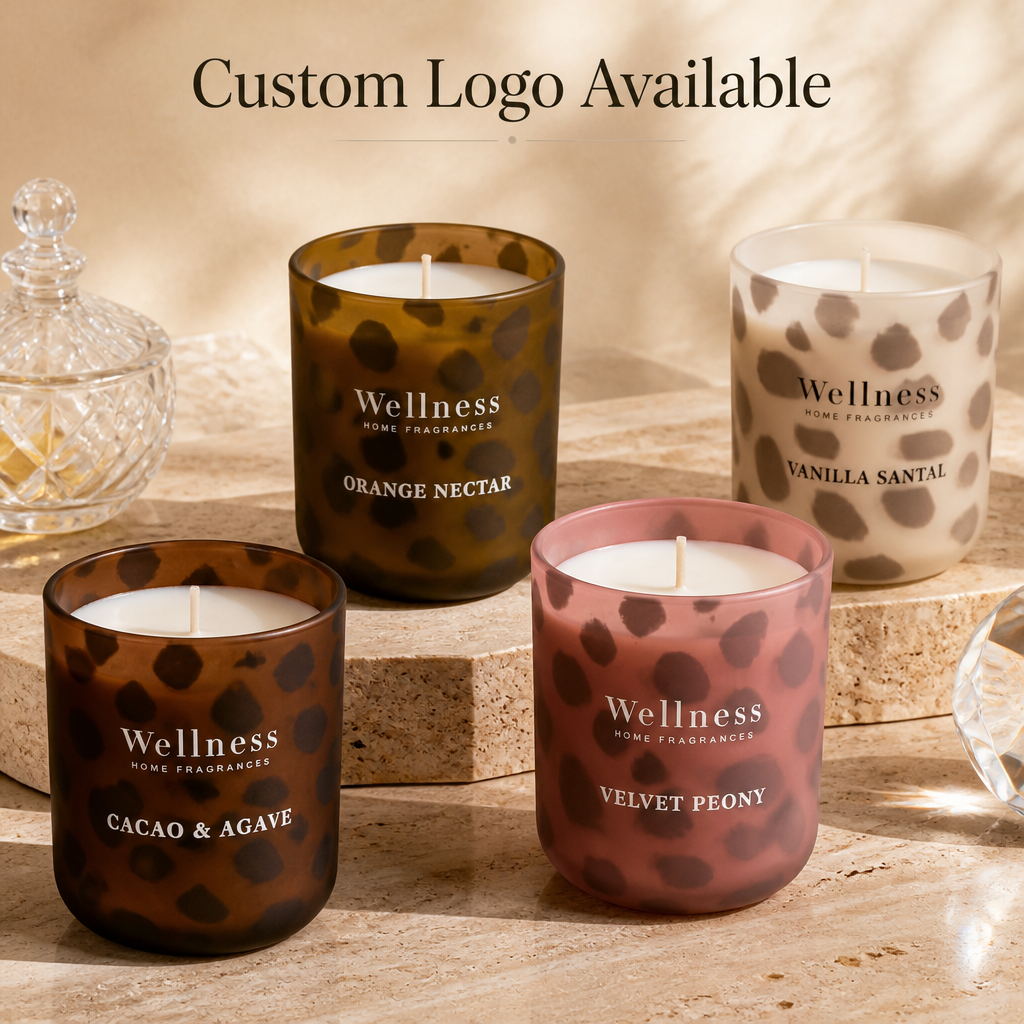
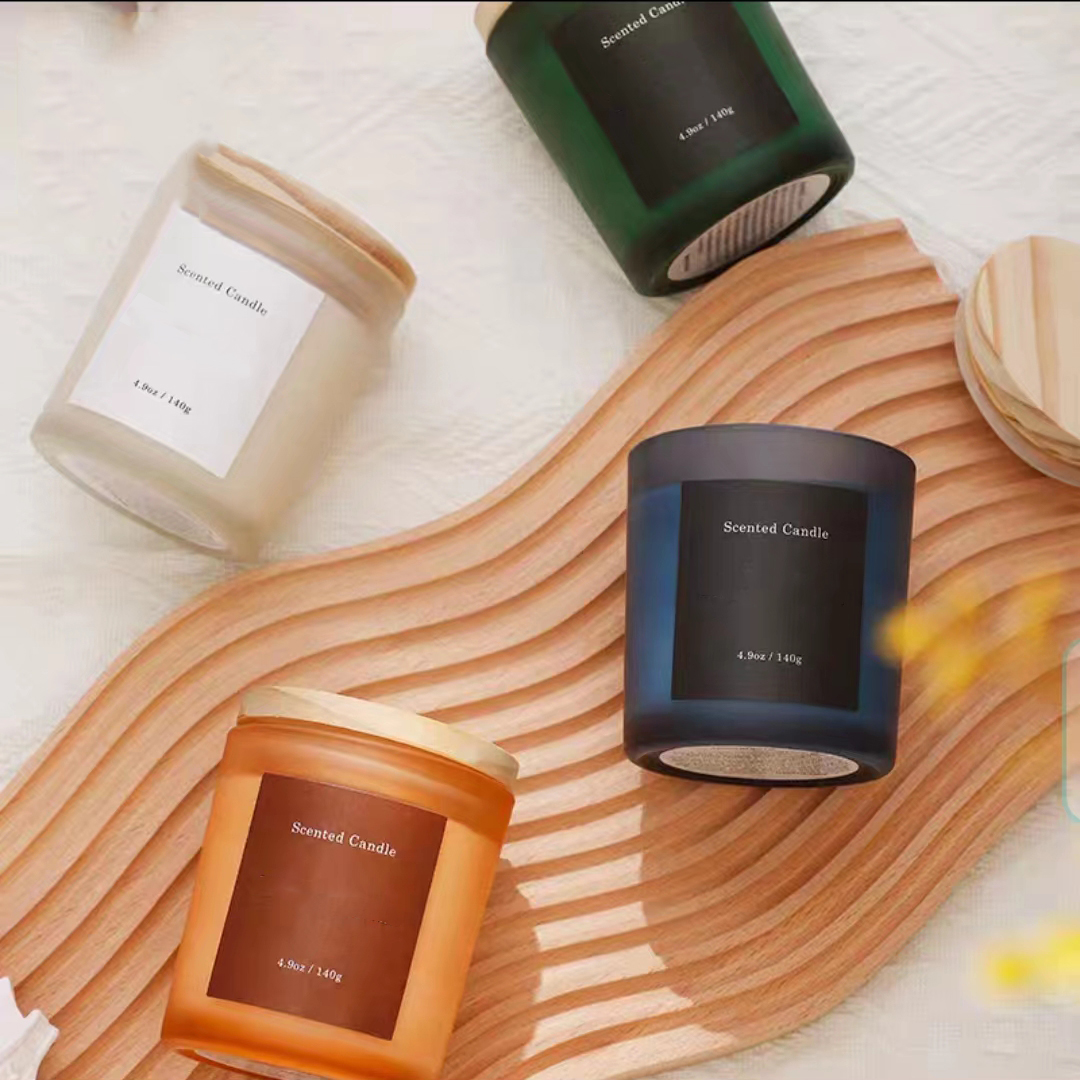
Modern luxury luxury retail consumers demand fully recyclable, multi-use containers. Procurement trends reflect a dramatic rise in hand-blown spotted glass, heavy tumblers, ceramic vessels with natural wood or embossed metal lids, and biodegradable rigid gift box packaging. Brands that transition from disposable single-use plastic covers to high-end reusable vessels realize up to 35% higher repeat purchase rates.
3. Functional Aromatherapy & Scented Wellness Hybrids
The consumer home fragrance market is pivoting from basic odor masking toward "functional wellness." End users seek specialized essential oil profiles designed for stress reduction, cognitive focus, sleep enhancement, and indoor air purification. Manufacturing custom beeswax candles infused with pure lavender, cedarwood, eucalyptus, and citrus botanical extracts requires specialized low-temperature filling protocols to preserve delicate olfactory terpenes.
Product Development Trends: Hybrid Formulations & Luxury Craftsmanship
How engineering innovations in wax blending, multi-wick architecture, and vessel surface decoration are reshaping the private label home fragrance landscape.
While 100% pure beeswax remains the pinnacle for luxury pillar candles and religious column wax formulations, its high contraction rate during cooling presents unique technical challenges in glass jar applications. To resolve container adhesion gaps (wet spots) while retaining clean burn benefits, global product development teams have pioneered Beeswax-Soy Hybrid Formulations.
By precisely blending refined beeswax (20%–40%) with hydrogenated soy wax (60%–80%), manufacturers achieve a creamy, flawless top surface with zero sinkholes, superior vessel adhesion, enhanced cold/hot fragrance throw, and an elevated melt pool that burn evenly to the container base.
Multi-Wick Hydrodynamics
Large format candles (diameter > 80mm) require calculated multi-wick geometry. Placing double or triple lead-free organic cotton wicks creates overlapping thermal melt zones, preventing tunneling and ensuring complete wax consumption across wide tortoiseshell glass or ceramic vessels.
Advanced Vessel Decoration
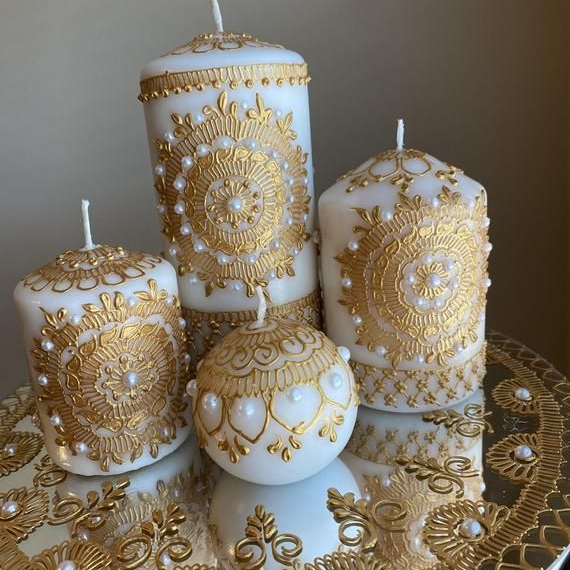
Surface finishing technologies such as automated color spraying, inner-wall electroplating, screen printing, UV spot varnishing, and foil gold stamping allow private label brands to achieve distinctive shelf presence that aligns perfectly with luxury retail positioning.
Cross-Category Fragrance Ecosystems
Leading home fragrance brands no longer launch standalone candles. Successful programs launch unified fragrance lines containing matching beeswax candles, reed diffusers with fiber sticks, room sprays, and car fragrance accessories in unified gift packaging.
Why Global Brands Partner with Shanghai Qusden Household Products Co., Ltd.
As a verified custom manufacturer and exporter with over 14 years of international trade history, Shanghai Qusden operates a 5,000+ m² modernized facility integrated with comprehensive in-house production lines.
End-to-End Vertical Integration
From raw wax refining and custom scent blending to automated hot-wax filling, screen printing, gold foil stamping, and rigid box forming, we execute every process step within our audited factory floor to eliminate intermediary markups and safeguard trade secrets.
Certified Audit Compliance
Our facility holds full BSCI social compliance and ISO 9001:2015 quality management certifications, independently audited on-site by SGS Group. Detailed inspection reports are available for corporate compliance verification.
Rigorous Quality Control Laboratory
Every shipment batch undergoes stringent stability testing utilizing on-site constant temperature & humidity incubators, vacuum drying ovens, burn room soot rate monitoring, and automated transportation vibration simulation to guarantee zero leakage or glass breakage during sea freight.
Frequently Asked Procurement Questions
Clear answers to common questions from enterprise buyers, brand owners, and supply chain directors regarding custom manufacturing, MOQs, testing, and shipping terms.
What is the Minimum Order Quantity (MOQ) for custom private label beeswax candles?
Can you replicate or match specific designer scents and custom vessel colors?
Which safety certifications and test reports are provided with mass orders?
How do you ensure wax stability and prevent fragrance leakage during long-distance shipping?
What are your standard trade terms, lead times, and payment methods?
Ready to Engineer Your Private Label Fragrance Line?
Connect directly with our engineering and export consultation team. We offer complimentary sample dispatch, custom scent development plans, and instant OEM pricing breakdowns tailored to your market requirements.
Send an Inquiry